If you picture Bay St. Louis as just a weekend beach town, you might be surprised by how livable it feels once the visitors head home. For many people, the real question is not whether Bay St. Louis is charming, but whether it works for everyday life, routines, and long-term homeownership. If you are thinking about moving to the Mississippi Gulf Coast, this guide will help you understand what year-round living in Bay St. Louis actually looks like. Let’s dive in.
Bay St. Louis feels coastal and lived-in
Bay St. Louis is a small coastal city of about 10,526 people, but it does not read like a place built only for short stays. Census data show a 76.7% owner-occupied housing rate, which points to a strong base of full-time residents. That helps give the city a more grounded, residential feel throughout the year.
You also see that balance in daily life. The harbor, dining spots, arts scene, and local events keep the city active, while the year-round resident base gives it consistency beyond tourist seasons. In simple terms, Bay St. Louis feels like both a destination and a hometown.
Its setting adds to the appeal. The city sits on the Mississippi Sound at the entrance to St. Louis Bay, about 58 miles northeast of New Orleans. It also has a long history as a resort town, and local preservation efforts continue to protect the historical and architectural character that makes the area stand out.
Daily life is relaxed but active
Year-round life here tends to move at a more relaxed pace, but that does not mean there is nothing to do. Bay St. Louis makes it easy to build simple routines around the water, downtown stops, and neighborhood outings. Many residents enjoy a lifestyle that feels casual, local, and connected to the coast.
Waterfront recreation is part of that rhythm. The city highlights boating, fishing, kayaking, and crabbing as regular activities, with access to public piers, boat launches, and the seawall on North Beach Boulevard. Dunbar Street Pier is one example of a spot where you can fish, crab, or just take a walk over the water.
Short local trips also shape the routine. The city allows golf carts in most residential areas, which adds to the easygoing feel in some parts of town. Several neighborhood parks are spread across the city as well, giving residents access to nearby outdoor spaces.
Walkability depends on where you are
If walkability matters to you, Old Town is the area to know. Around Main Street, Beach Boulevard, and the harbor, you can enjoy a more pedestrian-friendly experience with shops, food, music, and accommodations close together. The harbor itself sits at the intersection of Main Street and Beach Boulevard, so it naturally connects some of the most visited parts of town.
That said, Bay St. Louis is not best described as fully car-free. The city’s comprehensive plan notes a Walk Score of 46, and the planning language points to Old Town neighborhoods as the most pedestrian-oriented. For most people, that means you can enjoy walkable pockets and car-light outings, but you will likely still rely on a vehicle for many errands and appointments.
This can be a good fit if you want a mix of convenience and breathing room. You may be able to walk to coffee, dinner, or the waterfront in some areas, while still having easy access to the rest of town by car or golf cart. That hybrid lifestyle is part of Bay St. Louis’s appeal.
Old Town brings culture into everyday life
One reason people enjoy living in Bay St. Louis year-round is that the arts scene is not just for visitors. The Arts, Hancock County promotes art in everyday life through events, classes, exhibitions, a sculpture garden, and the AWOW art market. That gives the city a creative energy that stays visible across the calendar.
Recurring events also help residents feel connected. Second Saturday Art Walk brings art, live music, shopping specials, and meals into Old Town each month. Other community events highlighted by the city include Christmas in the Bay and St. Rose BBQ & Blues.
These are the kinds of events that can make a town feel more social without feeling overwhelming. Instead of needing to plan a full weekend trip, you can step into local activity close to home. For full-time residents, that convenience can make a real difference.
Dining is casual, local, and social
Bay St. Louis offers a dining scene that fits the town’s pace. Many of the spots people know are casual, local, and tied to the waterfront or Old Town atmosphere. That means your regular options can feel a little more distinctive than the usual chain-heavy routine.
Mockingbird Café is one example of an everyday gathering place, with locally roasted coffee, breakfast and lunch items, indoor and outdoor seating, and occasional live music and art. Thorny Oyster is known for Gulf-fresh seafood and cocktails, while The Blind Tiger offers open-air harbor views and daily seafood specials. Together, those places help show how food and community overlap in Bay St. Louis.
Another local anchor is the historic L&N Train Depot. It houses Hancock County Tourism, the Bay St. Louis Mardi Gras Museum, and the Alice Moseley Folk Art Museum, while Depot Row across the street adds shops and restaurants. Even on an ordinary week, those kinds of places give the town texture and variety.
Housing has character and variety
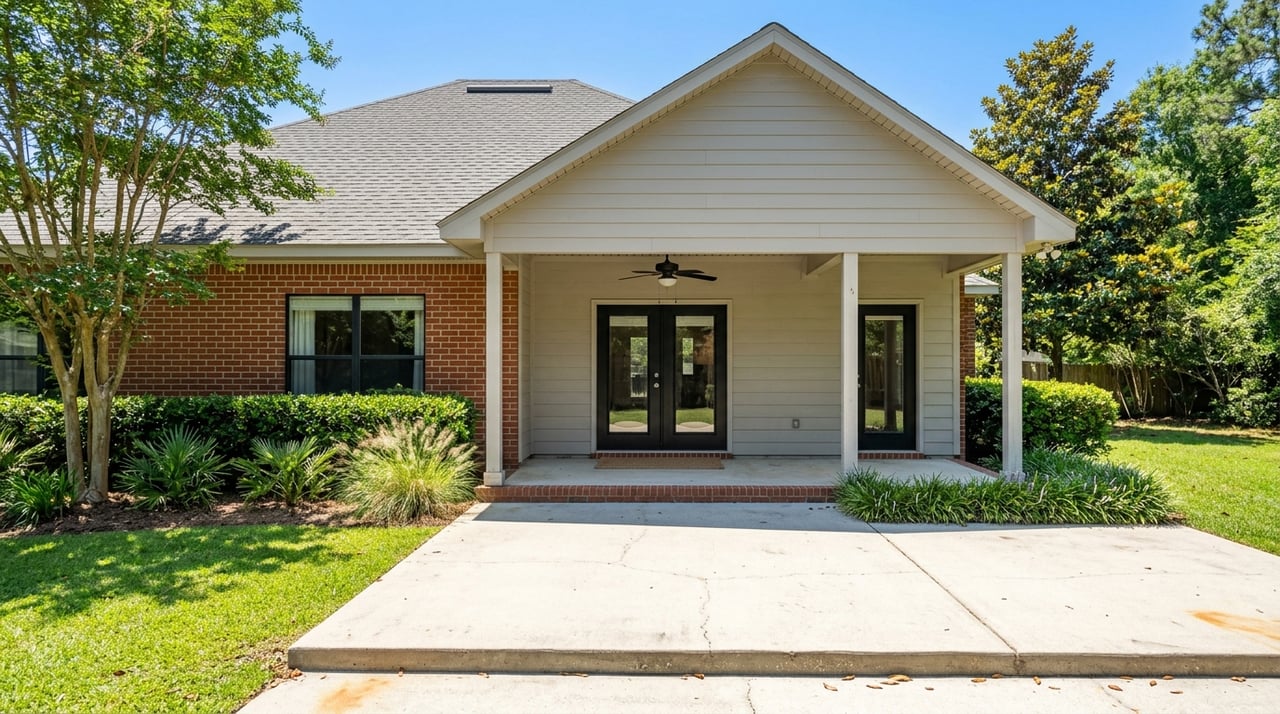
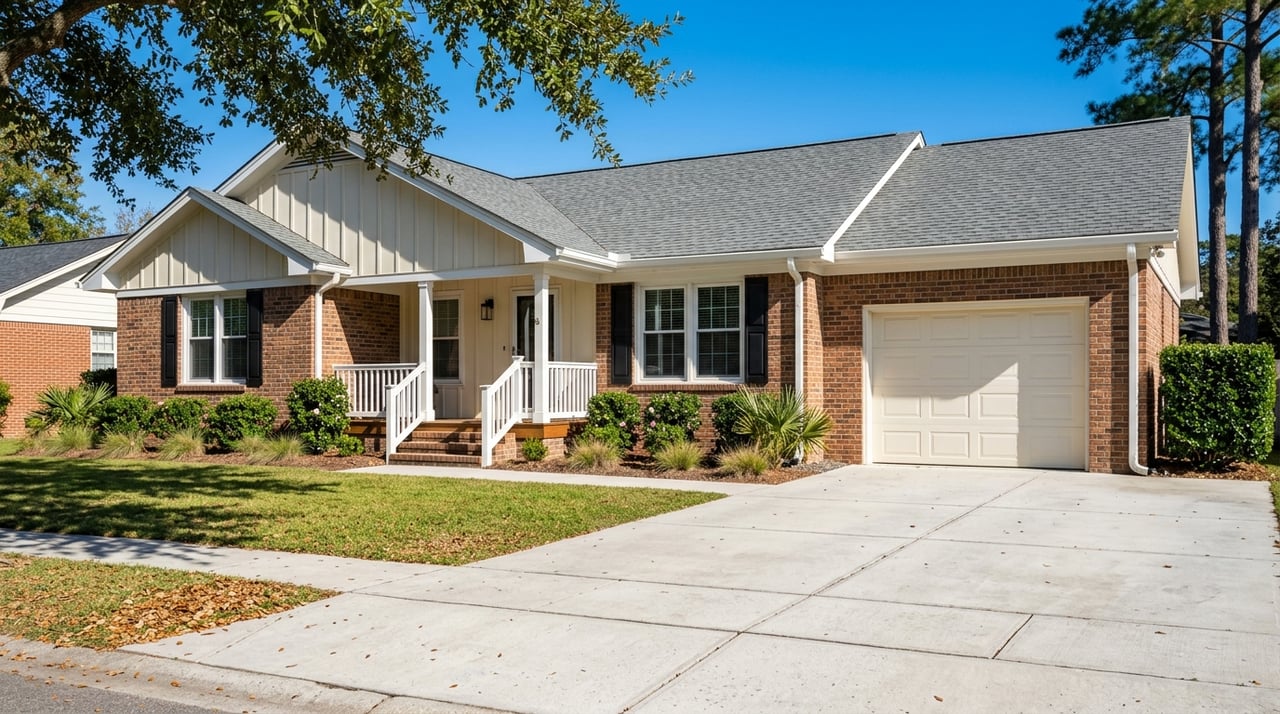
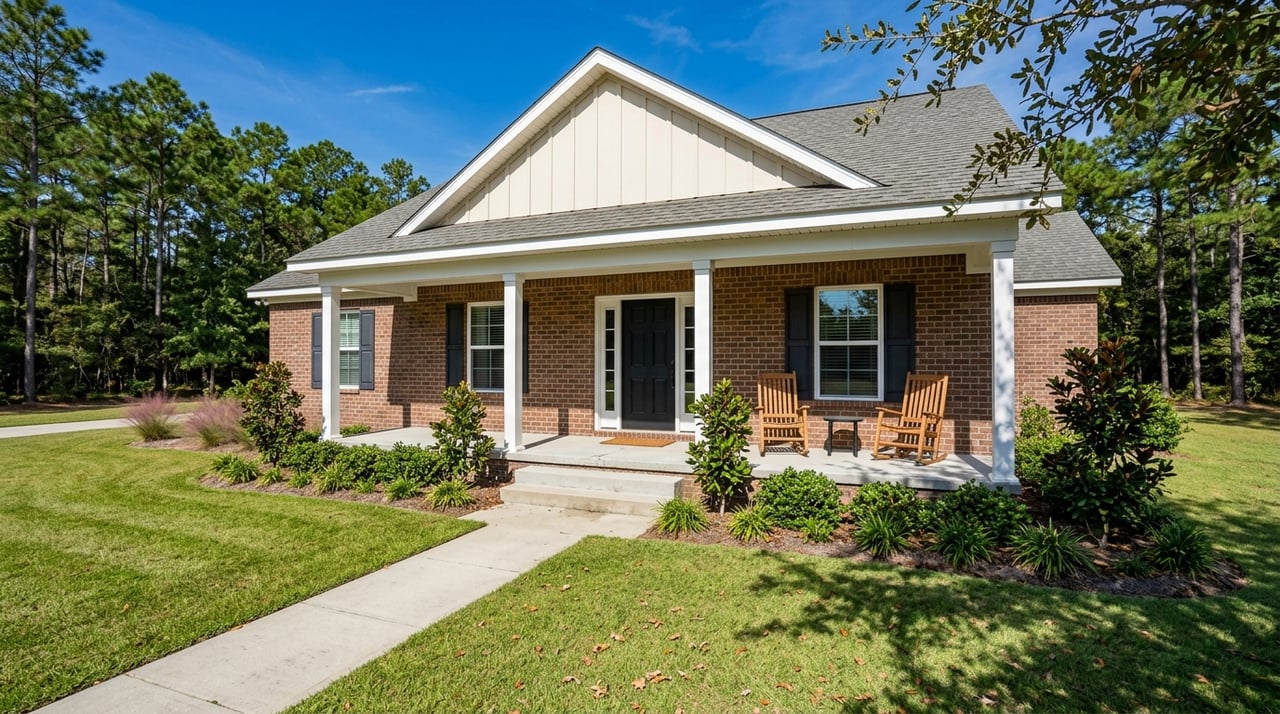
If you are drawn to homes with personality, Bay St. Louis has a lot to offer. Old Bay St. Louis is especially important to the local housing story, with a 504-acre historic district that includes 681 contributing resources. The area is architecturally diverse and includes both vernacular and high-style buildings.
Old Town is known for homes with shotgun, Queen Anne, and bungalow influences, shaped in part by Bay St. Louis’s history as a summer-home community with ties to New Orleans design traditions. For buyers, that often means more visual character and a stronger sense of place than you may find in newer, more uniform neighborhoods.
At the same time, the city’s planning and preservation goals are part of the ownership experience. Bay St. Louis emphasizes livable neighborhoods, quality development, and protection of architectural identity. If you buy in a historic area, renovations or expansions may involve preservation context and, in some cases, design review.
Year-round buyers should plan for coastal realities
The biggest practical tradeoff in Bay St. Louis is that you are buying into a Gulf Coast lifestyle. Coastal access, water views, and outdoor recreation are major draws, but they come with questions that inland buyers may not face in the same way. Flood exposure, insurance, and storm preparation should be part of your planning from the start.
The city’s flood information page directs residents to flood and retrofitting resources, and Bay St. Louis also uses CodeRED alerts and tropical-weather updates for emergency communication. NOAA states that Atlantic hurricane season runs from June 1 through November 30. For full-time residents, storm awareness is simply part of coastal living.
That does not mean Bay St. Louis is not a smart place to buy. It means you should verify flood-zone details, insurance considerations, and preparedness steps early in the process. The more clearly you understand those factors, the easier it is to decide whether a specific property fits your comfort level and budget.
Remote work and full-time living can fit well
For buyers considering a primary residence, Bay St. Louis shows several signs of supporting modern day-to-day life. Census data report that 91.1% of households have broadband subscriptions, which is useful if you work remotely or split time between home and an office. The mean commute time is 27.1 minutes, which also suggests a manageable rhythm for many local workers.
The city’s age mix adds another layer to its year-round feel. Census data show that 28.2% of residents are age 65 or older, which may appeal to buyers looking for a place with a steady residential base and a calmer pace. At the same time, the local events, dining, and recreation help keep the town active across different life stages.
From a housing-cost perspective, the same data show a median owner-occupied home value of $260,200, a median gross rent of $1,179, and a median monthly owner cost with a mortgage of $1,692. Those figures help frame Bay St. Louis as a real housing market for full-time residents, not just a vacation snapshot.
Is Bay St. Louis a good fit for you?
Bay St. Louis tends to work best for people who want a coastal lifestyle that still feels personal and manageable. You get charm, history, local events, and water access, but you also get a city with a strong owner-occupied base and the routines that come with full-time living. It is not a giant metro, and it is not fully walkable, but that is often part of the draw.
If you love the idea of coffee in Old Town, evenings by the harbor, homes with character, and an everyday connection to the water, Bay St. Louis may feel like home. If you are considering a move, the key is matching the lifestyle with the practical side of coastal ownership. That balance is where good decisions happen.
If you want help exploring Bay St. Louis and other Mississippi Gulf Coast communities, Trish Hamann offers hands-on guidance, local insight, and responsive support to help you move with confidence.
FAQs
What is daily life like in Bay St. Louis year-round?
- Year-round life in Bay St. Louis is generally relaxed, coastal, and community-oriented, with regular access to waterfront recreation, local dining, neighborhood parks, and recurring events in Old Town.
Is Bay St. Louis walkable for full-time residents?
- Bay St. Louis is moderately walkable overall, but Old Town is the most pedestrian-friendly area, while most residents will still use a car or golf cart for many daily trips.
What kinds of homes are common in Bay St. Louis?
- Bay St. Louis is especially known for historic homes in and around Old Town, including properties with shotgun, Queen Anne, and bungalow influences.
What should buyers know about owning a home in Bay St. Louis?
- Buyers should pay close attention to flood-zone details, insurance questions, storm preparedness, and any preservation or design-review requirements that may apply in historic areas.
Is Bay St. Louis more of a tourist town or a residential town?
- It functions as both, with a strong owner-occupied resident base alongside an active harbor, arts scene, dining culture, and local events that attract visitors.
Can Bay St. Louis work for remote workers or relocators?
- Yes, Bay St. Louis can fit remote or hybrid living thanks to broad household broadband access, manageable local commute patterns, and a year-round residential community.