If you are picturing Biloxi as a place where every day feels a little closer to the water, you are not far off. Living here often means your routines run alongside beaches, parks, marinas, and one of the Gulf Coast’s busiest activity corridors. If you are thinking about moving to Biloxi, this guide will help you understand what daily life can really look like, from getting around to housing tradeoffs. Let’s dive in.
Waterfront Life Feels Normal Here
In Biloxi, the coast is part of regular life, not just a weekend plan. The city’s identity centers on beaches, fishing, seafood, museums, golf, and casino resorts, and that waterfront influence shows up in how people spend ordinary mornings, afternoons, and evenings.
You can build simple routines around public outdoor spaces. City parks are generally open daily from 7 a.m. to 8 p.m., and places like Point Cadet Plaza offer practical amenities like a playground, splash pad, restrooms, and bay views. That makes it easy to fit in a walk, a family outing, or a quick stop by the water without turning it into a full-day event.
Biloxi also offers more than beach access alone. The city maintains public harbors, marinas, piers, and boat ramps, which gives you options for fishing, boating, or just spending time near the water. At Popp's Ferry Causeway Park, you will find walking and cycling space, a boardwalk, trailer parking, and fishing access.
Weather Shapes Daily Habits
The biggest adjustment for many newcomers is the climate. Biloxi has long, humid summers and short, mild winters, with average summer temperatures generally running from 85 to 95 degrees and July and August averaging near 91 degrees.
Rain is also a regular part of coastal living. Biloxi gets roughly 55 to 64 inches of rain each year, so weather planning becomes part of everyday decision-making. You may find yourself checking the forecast often, especially if your plans include beach time, boating, or a longer drive across town.
Storm preparedness is also part of the local rhythm. The city advises residents to stay aware of hurricanes, storm surge, flash flooding, and other severe weather, and it provides resources for flood maps, radar, river-stage information, and alerts. In practical terms, coastal living here comes with beauty and access, but it also asks you to stay informed.
Entertainment Is Part Of Everyday Life
Biloxi does not separate daily convenience from entertainment very much. The city highlights seafood restaurants, museums, historic sites, fishing, beaches, golf, and casino resorts as core parts of the community, and those features are woven into the main commercial areas.
One thing that stands out is how much there is to do within the city itself. Biloxi’s museums and cultural sites include the Biloxi Visitors Center, Maritime & Seafood Industry Museum, Ohr-O'Keefe Museum of Art, Biloxi Lighthouse, Biloxi Fire Museum, Saenger Theatre, and other historic stops.
That gives Biloxi a layered feel. You might spend part of your day running errands along the coast, then stop for dinner, a museum visit, or an event without going far out of your way. For many buyers, that mix is part of the appeal of living here full time.
Daily Errands Follow Key Corridors
Biloxi is a corridor city more than a spread-out grid. A lot of activity is centered along U.S. 90, also called Beach Boulevard, with I-110 serving as the main inland connection.
That matters because many day-to-day trips pass through the same general routes. Shopping, dining, beach access, entertainment, and visitor destinations are heavily clustered along the beach corridor rather than evenly distributed across the city.
The Biloxi Visitors Center is a good reference point for understanding the layout. It sits at U.S. 90 and Porter Avenue, just west of the I-110 loop and near the casino district, which shows how closely the waterfront, tourism areas, and road network connect.
What Driving Around Biloxi Is Like
For most residents, daily life is still car-oriented. Biloxi’s official maps note that U.S. 90 speed limits in the city range from 30 to 45 mph, and many local trips may be short in miles but still depend on a few major roads.
That can make timing matter. The city maintains live traffic information with cameras, counts, advisories, infrastructure status, and even street-sweeping schedules for downtown and other main corridors. This suggests traffic can be sensitive to events, maintenance activity, and busy periods near the beach and downtown.
The good news is that Biloxi’s average travel time to work is 20.5 minutes. For a coastal city with a concentrated road pattern, that points to generally manageable commutes, even though your route may rely on a limited number of major connectors.
Transit Is Available As A Backup
If you do not want to drive for every trip, Biloxi does offer public transit coverage. The Coast Transit Authority operates from the Biloxi Transit Center and runs several routes serving the coastal area.
Beachcomber Route 1 is especially useful for understanding how Biloxi functions day to day. It connects the Biloxi Transit Center, Biloxi Visitor Center, casino properties, beach stops, Edgewater Mall, the Mississippi Coast Coliseum, and other key points along U.S. 90.
Other routes serve nearby destinations such as D'Iberville, Ocean Springs, and Gulfport connections. Most daily life in Biloxi still leans car-first, but transit can provide a helpful option for major corridors and regional trips.
Housing Options Vary By Location
If you are considering a move, Biloxi’s housing mix gives you more than one path. Census QuickFacts show an owner-occupied housing rate of 48.6%, a median owner-occupied home value of $203,200, a median monthly mortgage cost of $1,514, and a median gross rent of $1,051.
Those numbers help frame Biloxi as a market with a mix of owners and renters. The same data shows a median household income of $55,958 and an average of 2.37 persons per household, which helps put local housing costs into context.
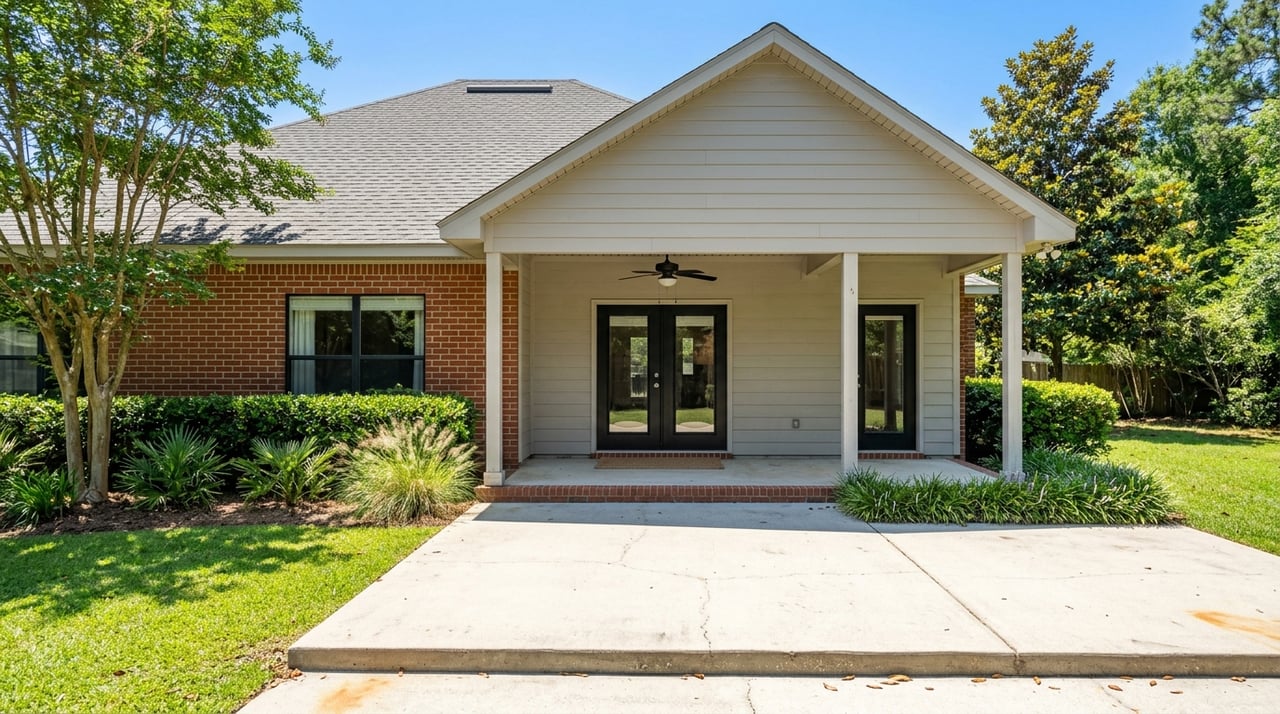
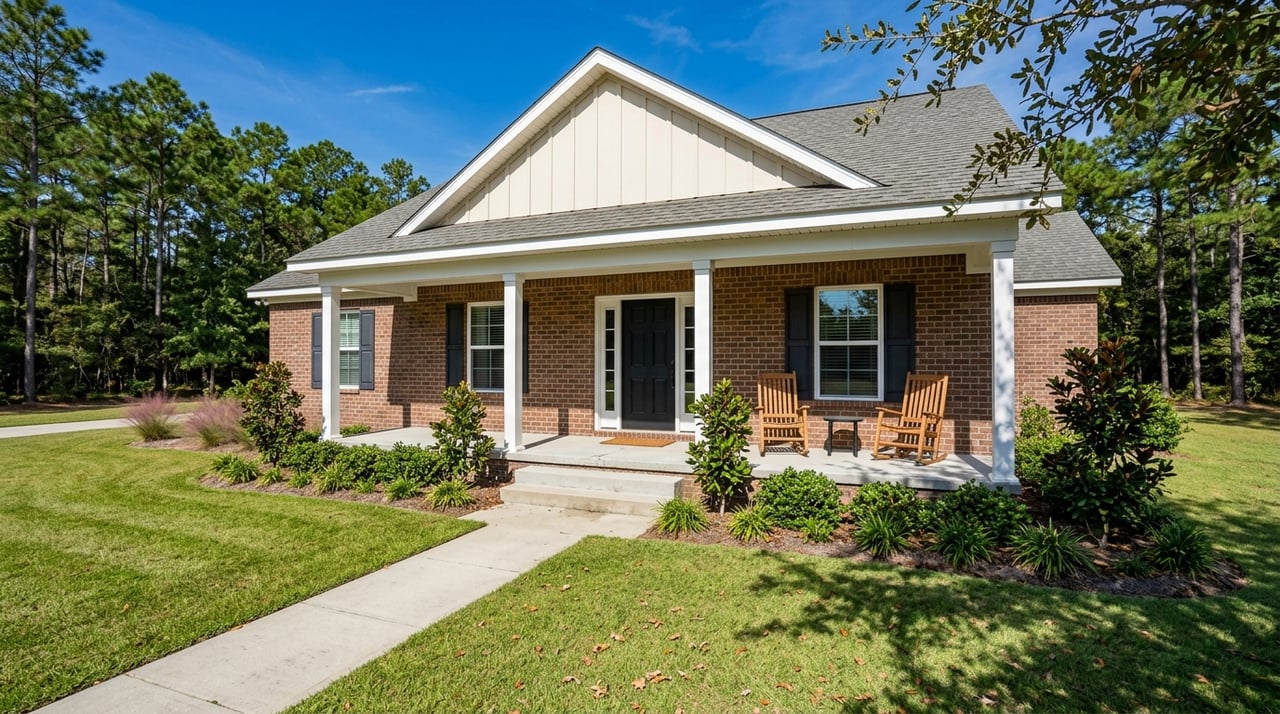
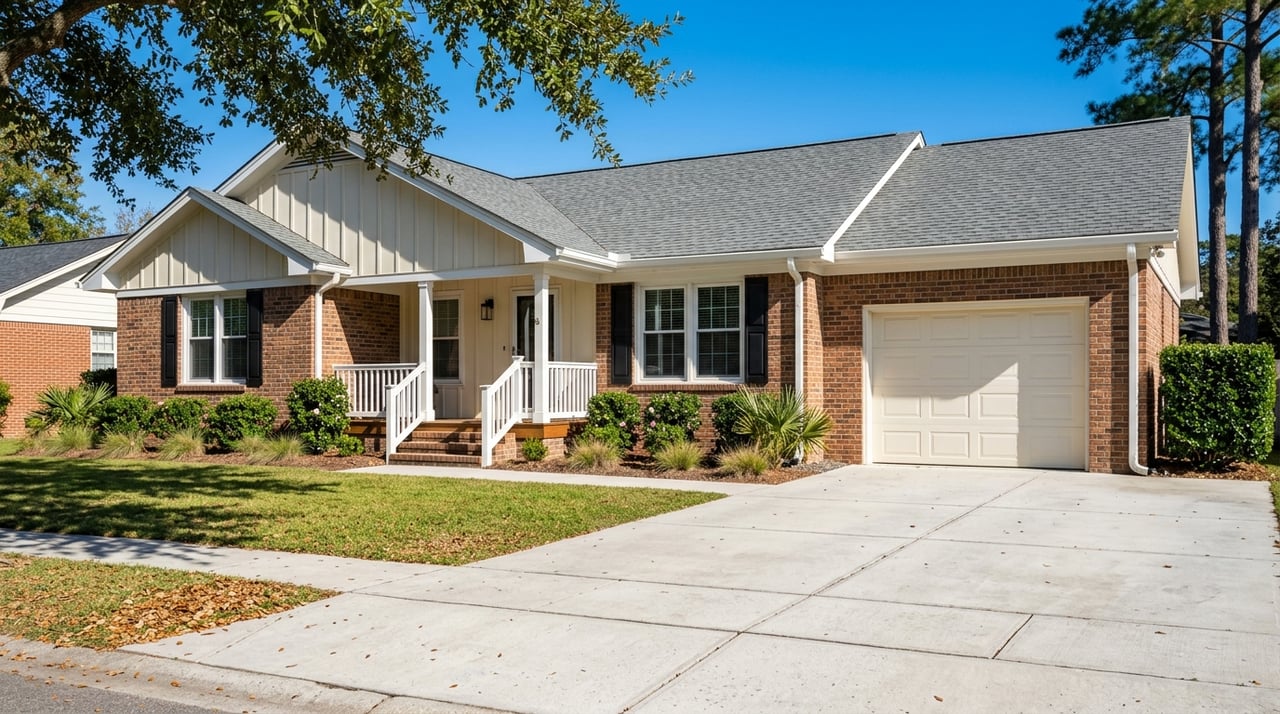
From a lifestyle standpoint, your housing experience may depend a lot on where you choose to live. The city’s housing plan describes many single-family neighborhoods, while noting that many condominium units are located on the peninsula and that the city includes a mix of housing types and price points.
In general, areas closer to the beach, downtown, and casino corridor may feel more connected to condo, apartment, or mixed-use living, while areas farther inland may align more with detached single-family homes. If you are relocating, this is where local guidance can really help match your budget and routine to the right part of Biloxi.
Coastal Housing Comes With Tradeoffs
Living near the water can be appealing, but it also requires practical planning. Biloxi’s storm and flood preparedness materials direct residents to review flood maps, alerts, and radar information, and NOAA-hosted city climate material notes that properties south of U.S. 90 are especially vulnerable to storm surge and flooding during major events.
The city’s housing discussion also points to cost, flood insurance, wind insurance, and land prices as part of the affordability conversation. That does not mean coastal property is off the table. It simply means your home search should include a realistic look at both lifestyle perks and ongoing ownership costs.
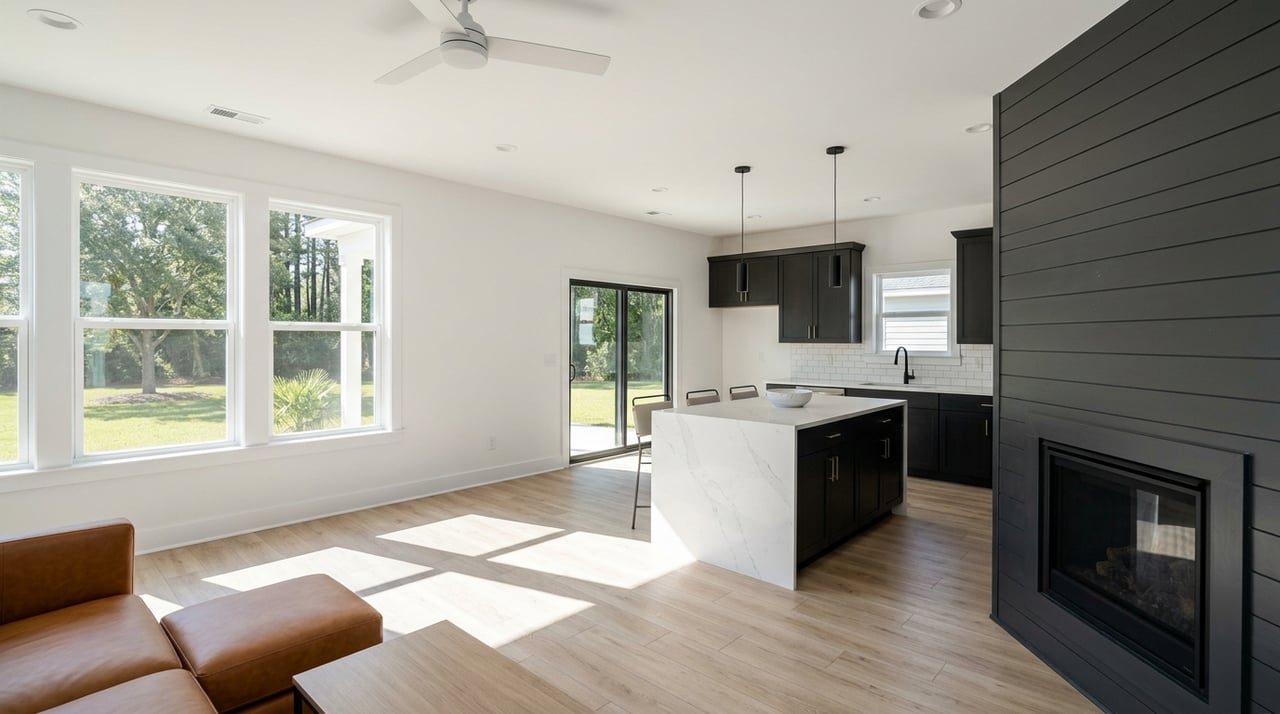
For buyers, that often means thinking beyond square footage or finishes. You may want to weigh access to the beach and entertainment corridor against insurance considerations, weather exposure, and how often you expect to use those coastal amenities in daily life.
Who Biloxi Fits Best
Biloxi can work well for several types of buyers because it offers a mix of waterfront access, entertainment, and practical housing options. If you want a city where outdoor recreation is easy to reach, where restaurants and attractions are part of the routine, and where most errands are concentrated along recognizable corridors, Biloxi has a lot to offer.
It can be especially appealing if you are relocating to the Mississippi Gulf Coast and want a place that feels active without being overwhelming. With a population estimate of 48,144, Biloxi offers many amenities of a tourism-driven coastal city while still functioning as a mid-sized local community.
The key is knowing what matters most to you. If you value quick beach access and a lively waterfront setting, you may be happy making weather awareness and corridor traffic part of your normal routine. If you prefer a quieter residential setup, an inland area with easier separation from the busiest coastal zones may be a better fit.
If you are weighing your options in Biloxi or comparing it with other Mississippi Gulf Coast communities, talking through your goals with a local expert can make the process much easier. When you are ready for practical guidance, neighborhood insight, and a stress-reduced plan, schedule your free consultation with Trish Hamann.
FAQs
What is daily life like in Biloxi, Mississippi?
- Daily life in Biloxi often centers on the waterfront, with regular access to beaches, parks, piers, marinas, restaurants, museums, and entertainment along major coastal corridors.
What is the weather like for living in Biloxi?
- Biloxi has long, humid summers, short mild winters, average summer temperatures of about 85 to 95 degrees, and annual rainfall of roughly 55 to 64 inches, so weather awareness is part of daily life.
How do most people get around Biloxi?
- Most residents get around by car, with many trips using U.S. 90 and I-110, though public transit is available on several major coastal and regional routes.
What kinds of homes can you find in Biloxi?
- Biloxi offers a mix of housing types, including single-family homes, condominiums, apartments, and some mixed-use living areas, with housing patterns varying by distance from the beach and downtown core.
What should buyers know about coastal homes in Biloxi?
- Buyers should consider flood exposure, storm surge risk, and the possible cost of flood and wind insurance, especially for properties closer to the coast.
Is Biloxi a good fit for relocation buyers?
- Biloxi can be a strong option for relocation buyers who want coastal access, manageable commute times, and a city layout where many amenities are concentrated along easy-to-recognize corridors.