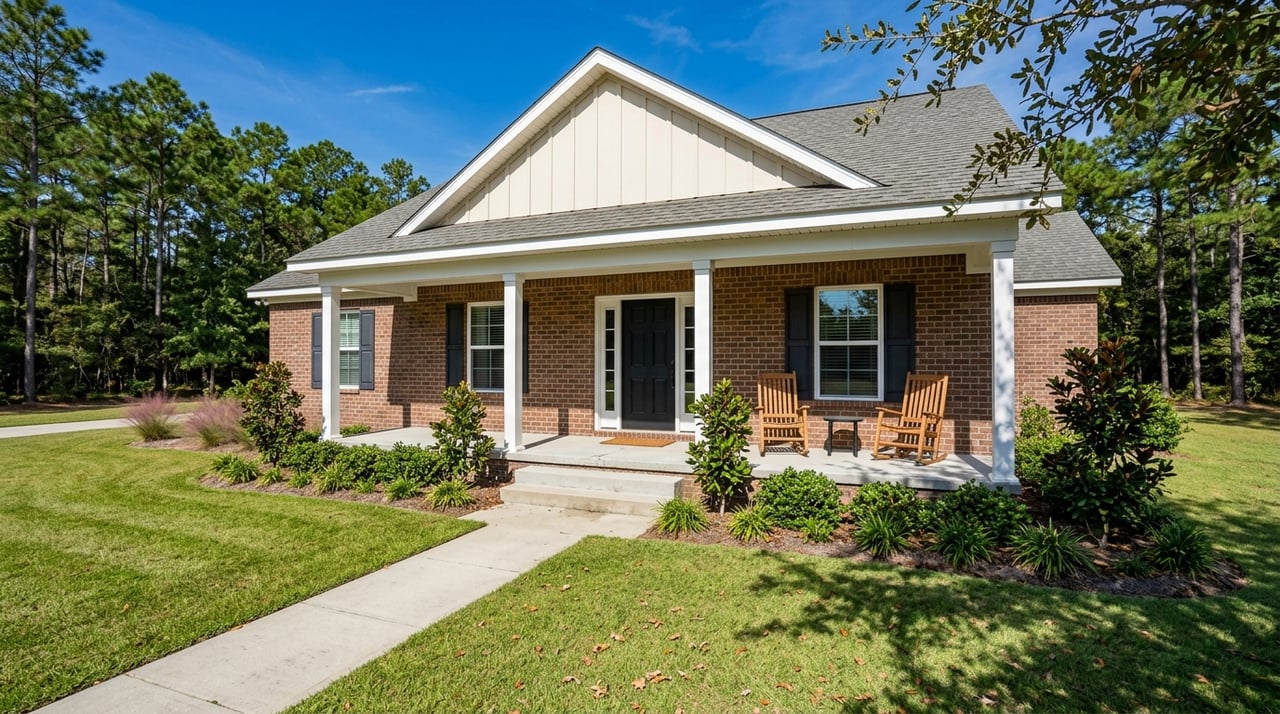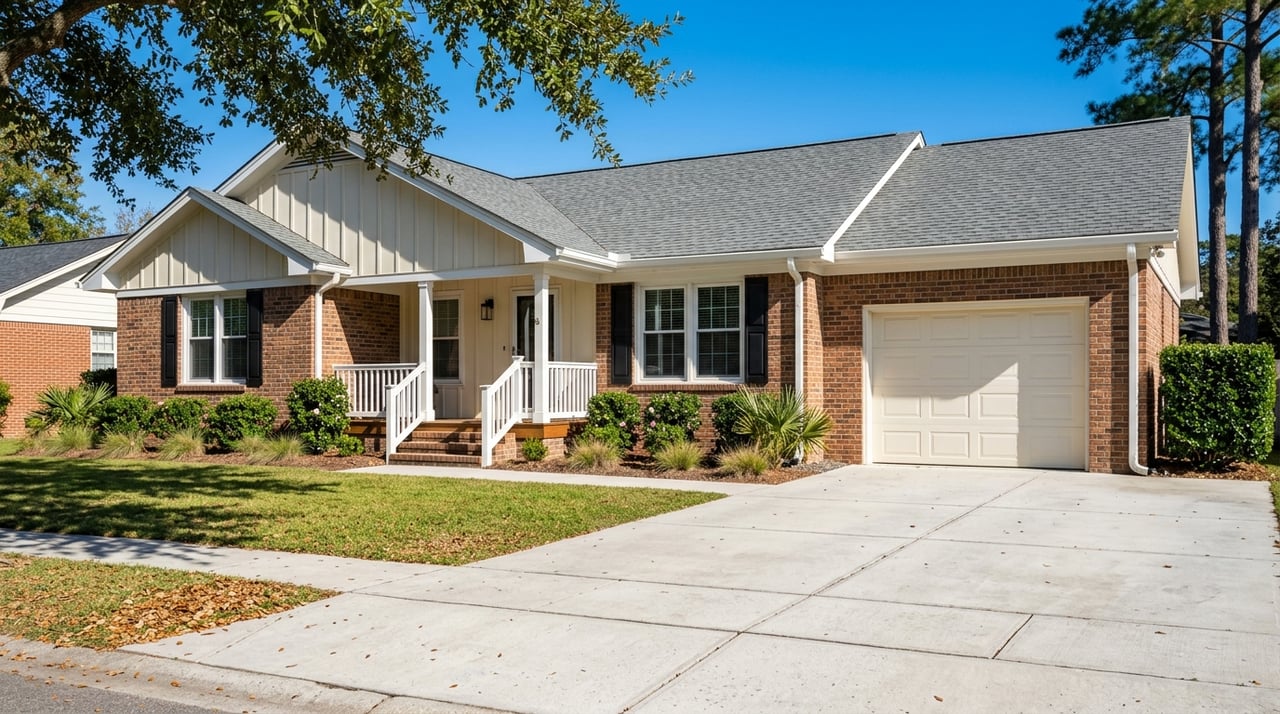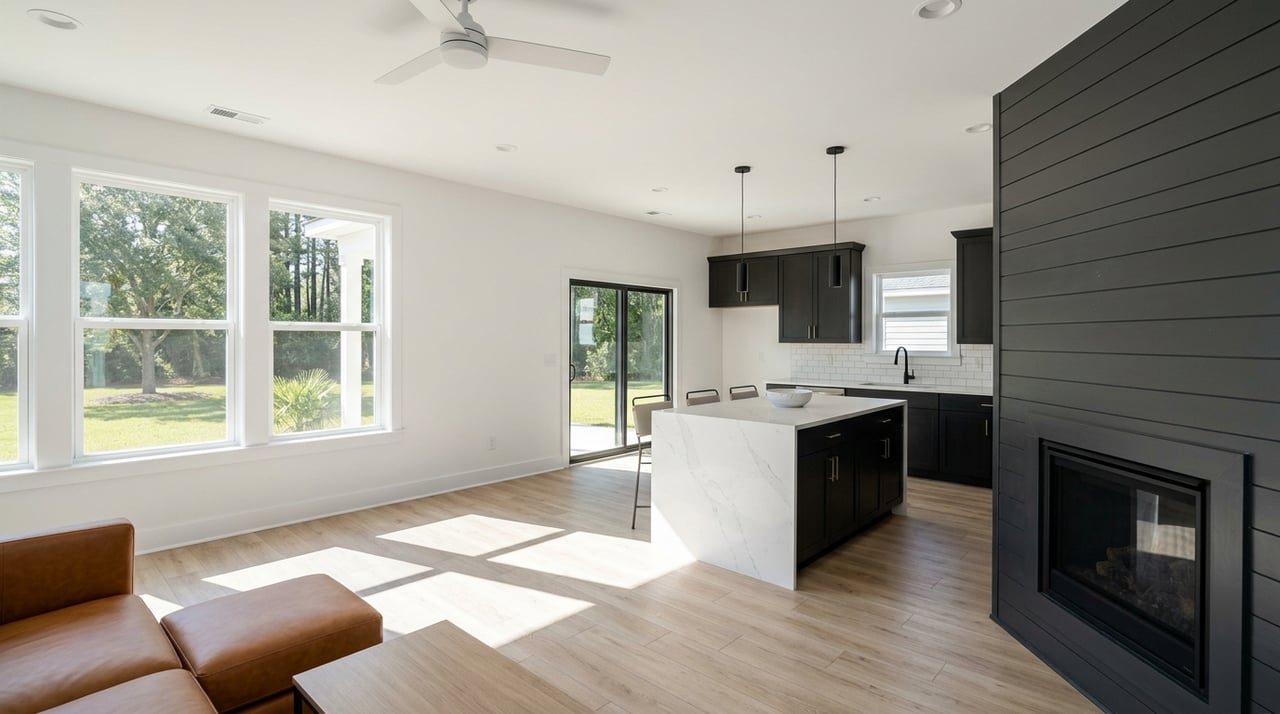
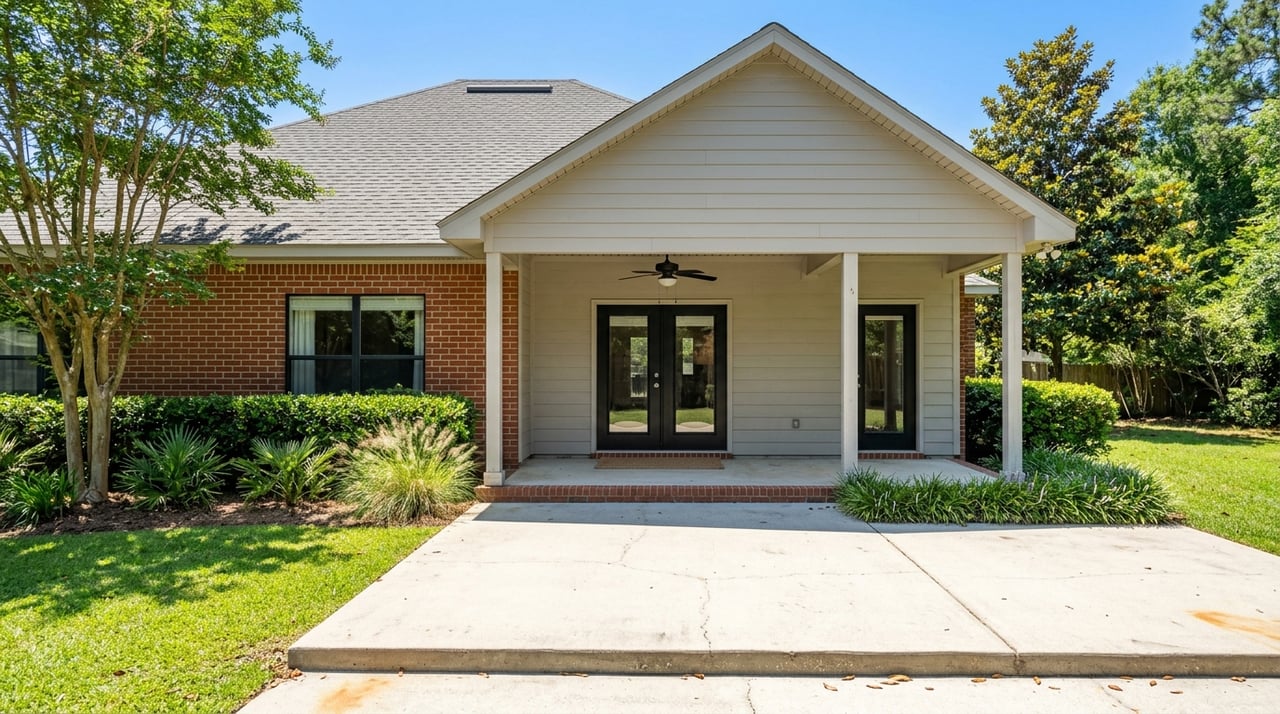
If you have a vacation home in Bay St. Louis, getting it ready to sell can feel a little different from preparing a full-time residence. Coastal weather, stretches of vacancy, and short-term rental use can all hide issues that matter to buyers once your home hits the market. The good news is that with the right plan, you can fix the right problems, gather the right paperwork, and present the home in a way that feels clean, well cared for, and easy to love. Let’s dive in.
Why vacation homes need extra prep
A Bay St. Louis vacation home often has different wear patterns than a primary home. It may sit empty for periods of time, deal with higher humidity, or have maintenance gaps that are easy to miss when no one is there every day.
That matters because coastal moisture can lead to musty smells, stains, mildew, and other red flags for buyers. According to EPA guidance, moisture control is the key to mold control, wet areas should be dried within 24 to 48 hours, and indoor humidity should ideally stay between 30 and 50 percent and below 60 percent.
Start with moisture and maintenance
Before you think about photos or staging, focus on the condition of the home. In Bay St. Louis, buyers will pay close attention to signs of water intrusion and deferred maintenance, especially in a coastal property.
Your first walkthrough should look for any leaks, soft spots, stains, mildew, corrosion, or musty odors. These are not small cosmetic details. They can shape how buyers feel about the home from the moment they walk in.
Check the biggest problem areas
For a lightly used coastal home, the top priorities should include:
- Roof leaks or past repair areas
- Window and door seals
- Gutters and drainage
- HVAC performance and drain lines
- AC drip pans
- Exterior wear from salt air and weather
- Signs of mold or mildew
EPA guidance recommends cleaning and repairing gutters regularly, keeping AC drip pans and drain lines clear, and fixing the moisture source before calling the problem solved. If mold damage is extensive or involves the HVAC system, a professional may be needed.
Control indoor humidity
Humidity is not just a comfort issue in a vacation home. It can affect smell, surfaces, and the overall impression of the property.
Try to keep indoor humidity in the recommended range of 30 to 50 percent, and below 60 percent. If the home has been sitting closed up, this is one of the first things to address before showings begin.
Tackle repairs before listing
It is usually better to handle known issues before you go live than to let buyers discover them during inspections. Mississippi’s Property Condition Disclosure Statement is based on your actual knowledge, and it asks about items such as roof repairs, leaks, foundation movement, permits and approvals, hurricane or windstorm damage, termites, drainage problems, flood hazard zones, and flood insurance.
That means preparation is not just about presentation. It is also about being organized and ready to answer questions clearly.
Prioritize repairs that affect buyer confidence
If you are deciding where to spend your time and money, focus first on repairs that suggest ongoing property care. In many cases, that means:
- Fixing active or past leak issues
- Replacing damaged or porous materials that cannot be properly cleaned and dried
- Addressing drainage concerns
- Servicing the HVAC system
- Repairing visible exterior wear
- Resolving any obvious signs of moisture intrusion
When a buyer sees stains, mildew, or soft flooring, they may worry about bigger hidden problems. Taking care of those issues early can help your home show as maintained rather than neglected.
Gather your paperwork early
One of the smartest things you can do before listing is create a simple property file. This helps reduce stress later and makes it easier to respond quickly when buyers ask questions.
The Mississippi disclosure form specifically asks about many details that sellers often need to track down. If you gather them in advance, you will save time once showings start.
Documents to have ready
Try to collect:
- Repair receipts and contractor invoices
- Contractor names and service dates
- Warranty information
- Permit records and approvals
- Utility provider information
- Internet provider information
- Septic or well records, if applicable
- Flood insurance documents
- Flood zone information you already have
- HOA or COA information, if applicable
- Short-term rental paperwork, if the property has been operated as one
This kind of preparation supports a smoother listing process and helps you fill out disclosures with more confidence.
Review short-term rental status
If your Bay St. Louis vacation home has been used as a short-term rental, check its permit status early. The city requires a permit, a designated local contact person available 24/7, a parking plan, annual renewal, and a unique registration number in advertising. The permit is not transferable.
That last point is especially important when you sell. If a buyer is interested in the property because of its rental history, they should understand that the current permit does not automatically carry over.
Keep local rules in mind
City materials also note that inspections can be scheduled. They also state that vacation rentals must be evacuated immediately when Hancock County Emergency Management Agency issues a mandatory evacuation.
Even if your home is no longer being rented, these rules are a good reminder that local logistics matter. A clear local contact and a well-managed property can make a big difference during the selling process.
Stage for a calm coastal feel
Once repairs and deep cleaning are handled, focus on presentation. Staging still matters. National Association of Realtors data found that 49 percent of agents said staging reduced time on market, and 83 percent of buyer’s agents said staging made it easier for buyers to picture the home as their future home.
For a Bay St. Louis vacation home, a simple and restrained look often works best. You want the property to feel airy, clean, and easy to maintain, not overly themed.
Focus on the rooms that matter most
According to NAR data, the rooms most often staged are:
- Living room
- Primary bedroom
- Dining room
- Kitchen
- Outdoor spaces
That fits vacation home marketing especially well. Buyers want to see comfortable gathering areas, a restful bedroom, clean kitchen surfaces, and outdoor spaces that feel usable and inviting.
Use a simple pre-photo checklist
Before photography day, make sure you:
- Declutter every room
- Depersonalize visible surfaces
- Complete a full-home cleaning
- Touch up paint where needed
- Clean carpets or flooring
- Refresh landscaping
- Simplify décor
- Open up outdoor seating areas
If the home is lightly furnished or vacant, even a modest staging plan can help buyers understand the space better online and in person.
Invest in strong marketing visuals
If you are selling from out of town, your online presentation becomes even more important. NAR reported that buyer’s agents considered photos important 73 percent of the time, videos 48 percent, and virtual tours 43 percent of the time.
NAR also reported that one in three buyer’s agents said clients were more likely to schedule a showing after seeing a staged home online. That is a strong reason to make sure your home looks polished before the camera comes out.
Plan for remote selling logistics
Selling a vacation home often means coordinating from a distance. That can work well, but it usually requires a strong local system.
A reliable local point person can help with access, vendor appointments, inspections, and last-minute issues. Bay St. Louis short-term rental rules already reflect this reality by requiring a local contact who can respond in person within 30 minutes.
Build a simple local support plan
If you will not be in town regularly, it helps to line up:
- A local agent to coordinate showings and timelines
- A contact for vendor access
- A plan for inspection appointments
- A process for routine check-ins before and during the listing period
- A storm prep plan for outdoor items and securing the property
This kind of planning reduces friction and helps your sale stay on track.
Prepare for weather interruptions
On the Mississippi Gulf Coast, weather is part of the selling conversation. If storms threaten while your property is listed, you may need to pause showings, secure furnishings, or adjust vendor schedules.
For homes that have operated as vacation rentals, city guidance is also clear that properties must be evacuated immediately when Hancock County Emergency Management Agency issues a mandatory evacuation. From a seller’s perspective, that makes it smart to have a plan in place before storm season creates last-minute stress.
A smart Bay St. Louis seller checklist
If you want a simple way to stay organized, start here:
- Fix leaks, stains, soft spots, and moisture issues
- Clean gutters and service HVAC components
- Keep humidity under control
- Gather receipts, permits, warranties, and flood-related documents
- Confirm short-term rental permit status, if applicable
- Declutter, depersonalize, and deep clean
- Stage key rooms and outdoor spaces
- Use professional photos, video, and virtual tour assets
- Set up a dependable local contact for access and problem-solving
- Make a weather backup plan for showings and property protection
Preparing a Bay St. Louis vacation home for sale is really about reducing buyer uncertainty. When the home feels dry, clean, documented, and easy to manage, it stands a better chance of making a strong impression from day one.
If you are thinking about selling and want hands-on guidance with pricing, presentation, and next steps, Trish Hamann can help you build a practical plan that fits your timeline.
FAQs
What should you fix first before selling a Bay St. Louis vacation home?
- Start with leaks, stains, soft spots, drainage issues, HVAC maintenance, and any signs of mold, mildew, or excess moisture.
What documents do you need to sell a vacation home in Mississippi?
- It helps to gather repair receipts, warranties, permits, utility information, septic or well records if applicable, flood insurance documents, and any short-term rental paperwork.
Does a Bay St. Louis short-term rental permit transfer to a new owner?
- No. City materials state that the permit is not transferable.
How should you stage a Bay St. Louis coastal home for sale?
- Keep the look simple, clean, and lightly coastal, with special attention on the living room, primary bedroom, kitchen, and outdoor spaces.
Why are photos and virtual tours important for a Bay St. Louis vacation home sale?
- They help buyers evaluate the property remotely, and staging paired with strong visuals can increase interest in scheduling a showing.