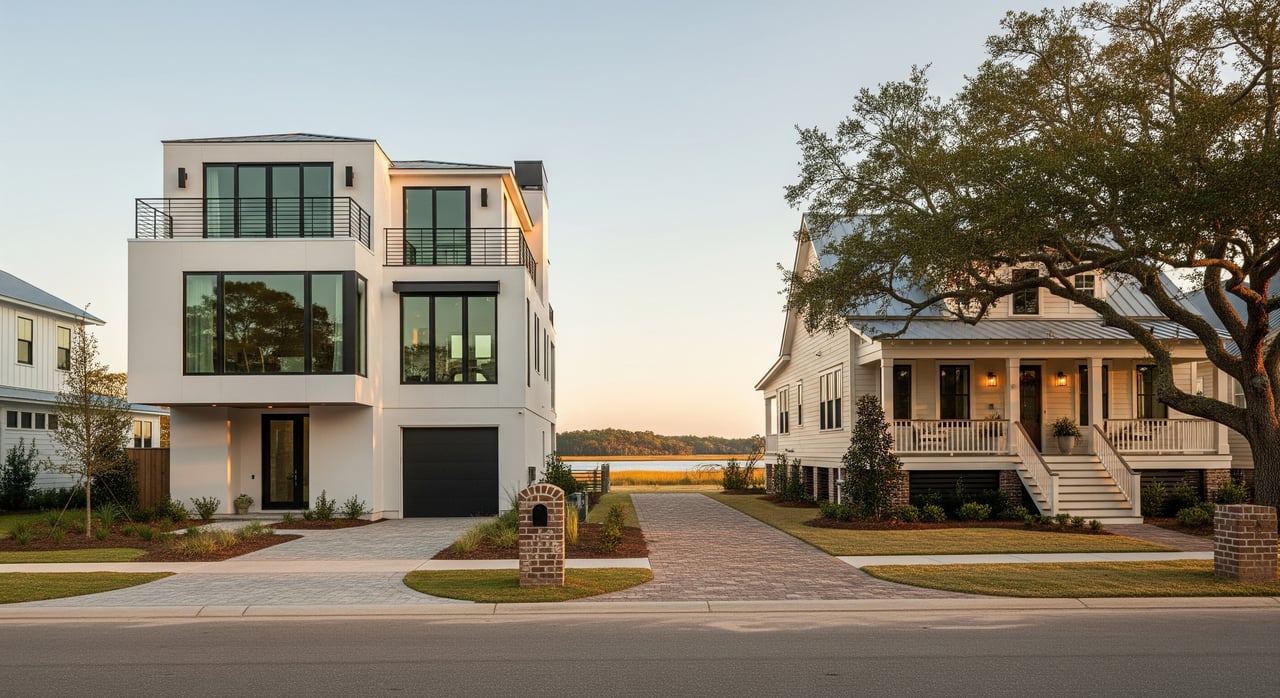
Trying to choose between a shiny new build and the character of a resale in D’Iberville? You’re not alone. In 39540, both options can work well, but the right choice depends on your budget, timing, and comfort with Gulf Coast risks like flood and wind. In this guide, you’ll compare costs, timelines, warranties, financing, and local hazard considerations so you can move forward with confidence. Let’s dive in.
New vs. resale at a glance
If you want modern layouts, energy efficiency, and the chance to personalize finishes, new construction can be compelling. If you value established neighborhoods, mature landscaping, and quicker move-in timelines, a resale may be your best fit. The key is to weigh the tradeoffs for your situation.
What drives the price difference
- New construction often carries a premium for brand-new systems, modern design, and the ability to customize. Builders sometimes offer incentives like closing cost credits or appliance packages to offset price.
- Resale homes can list for less, but you may need to budget for near-term upgrades or replacements, such as roof, HVAC, or plumbing. The total cost of ownership can narrow the gap.
Cost to buy and own in 39540
Understanding both upfront and ongoing costs is essential on the Mississippi Gulf Coast.
Purchase price and immediate costs
- New construction
- Expect a base price plus costs for options, upgrades, and potential lot premiums.
- Ask for a fully itemized contract that separates base price from upgrades.
- Clarify what is standard vs. an upgrade in model homes.
- Resale
- Pricing reflects condition, location, and comparable sales.
- A lower list price can come with immediate repair or renovation needs.
Ongoing costs: taxes, insurance, utilities, and HOA
- Property taxes
- Assessed values can rise upon completion of a new build. For any home, check parcel data and recent assessments to estimate taxes.
- Homeowners insurance
- Flood insurance can be a major factor. Parts of D’Iberville lie in FEMA flood zones, and premiums depend on flood zone and elevation. Ask for an Elevation Certificate and the property’s flood map designation.
- Wind/hurricane coverage matters along the coast. Newer homes may include wind mitigation features that can influence premiums, but location and risk exposure are primary drivers.
- Utilities and energy
- New builds typically offer higher R-values and modern HVAC, which can help reduce utility costs.
- Older resales may have higher operating costs if systems are near end of life.
- HOA fees and maintenance
- Many new subdivisions include HOA fees for common areas. Established neighborhoods may or may not have HOAs. Compare rules and costs carefully.
Timing and the transaction process
Your timeline may be the deciding factor.
New construction timelines
- Build schedules can range from a few months to more than a year based on lot readiness, permitting, materials, and builder backlog.
- Ask about delay clauses, remedies if timelines slip, and whether the builder allows any form of early occupancy. Clarify when taxes, insurance, and liability transfer.
Resale timelines
- Typical closings run about 30 to 45 days with financing, depending on inspections and underwriting.
- Inspection findings can lead to repair negotiations or timeline extensions. Plan for a little flexibility.
Managing contingencies and bridges
- If you need to sell to buy, coordinate both timelines early. Some builders require non-contingent contracts; others allow contingencies with conditions.
- Consider bridge financing or temporary housing if your new build timeline is uncertain.
Inspections, disclosures, and warranties
Even new homes deserve a close look. In our climate, paying attention to waterproofing, drainage, and wind resilience is important.
New construction details to verify
- Warranty coverage
- Builders commonly offer limited warranties, often with different terms for workmanship, systems, and structural items. Ask for the full warranty document and claim procedures.
- Inspections and punch lists
- Schedule a third-party inspection before closing, and use the builder’s orientation to create a punch list for incomplete or corrected items.
- Documentation
- Request HOA documents, covenants, restrictions, and any guidelines for improvements.
- Obtain wind mitigation documentation and the lot’s Elevation Certificate if available.
Resale inspections and disclosures
- Inspections
- Order a general home inspection. Add specialty inspections as needed, such as termite/WDO, roof, HVAC, or plumbing. Septic systems require their own review.
- Disclosures and permits
- Ask for the seller’s disclosures and any permit history for past renovations. Verify that additions or major updates were permitted and inspected.
Financing and appraisal differences
Financing can look different for new builds versus resales, especially if you are building from the ground up.
New construction financing options
- Conventional mortgage at completion
- If you buy a finished or nearly finished home, you can use a standard mortgage.
- Construction-to-permanent loans
- These convert from a short construction phase to a permanent mortgage. They involve draw schedules and inspections. Rates and fees can differ from a standard loan.
- Builder financing and incentives
- Some builders offer preferred lenders or promotional rates. Compare these to independent lender quotes and consider total costs.
Resale financing
- Conventional, FHA, VA, and USDA loans are common for resale purchases, depending on property type and condition.
- Appraisals rely on local comparable sales. If new-build prices outpace recent comps, it can affect appraised value. Strategize upgrades and options with resale value in mind.
Location, lifestyle, and hazard factors in 39540
Beyond the house itself, think about how and where you live.
Proximity and daily life
- Retail, dining, and services
- Many buyers prioritize access to shopping and services near the Tanger Outlets and the US 90 corridor. Consider your daily routes for errands and dining.
- Commute and activities
- Evaluate commute times to work and frequent destinations. Look at access to coastal amenities, parks, and community events.
- Lot and neighborhood character
- New subdivisions may offer community amenities and uniformity. Established areas can have larger lots and mature landscaping. Choose the feel you prefer.
Flood risk, elevation, and wind
- Flood considerations
- Obtain the property’s FEMA flood zone and an Elevation Certificate to estimate flood insurance needs. Lender requirements vary by zone, but many high-risk areas require coverage.
- Wind exposure and codes
- Post-Katrina updates to Gulf Coast building codes aim to improve wind resistance. Ask about roof tie-downs, hurricane straps, and impact-rated openings on new builds. These features can influence both safety and insurance.
Permitting and inspections
- New construction
- Local permitting timelines can affect build schedules. Confirm typical turnaround times and required inspections.
- Resale
- Verify that past additions or upgrades were permitted. Unpermitted work can complicate insurance and future resale.
Insurance availability and cost
- Carriers evaluate flood and wind exposure at the parcel level. Premiums vary with elevation, mitigation features, construction year, and location.
- Some properties may qualify for reduced flood premiums through elevation or community programs. Always get quotes for the specific address.
Which path fits you best?
Use these prompts to align your choice with your goals and comfort level.
Choose new construction if you want:
- Modern layouts, efficient systems, and lower initial maintenance.
- The ability to personalize finishes and features.
- A longer runway to plan your move if your timeline is flexible.
Choose resale if you want:
- A faster move-in with a conventional closing timeline.
- Established neighborhoods and mature landscaping.
- Potentially lower upfront price with room for targeted updates.
What to ask before you decide
A little preparation prevents surprises later.
Questions for builders
- Can you provide an itemized contract separating base price, options, and lot premium?
- What is the current build timeline, and what happens if delays occur?
- What are the warranty terms for workmanship, systems, and structure? How do I submit claims?
- What HOA fees, covenants, and architectural guidelines apply?
- What wind mitigation features are included? Is an Elevation Certificate available for the lot?
- How are change orders handled and priced?
- Can you share recent comparable sales used for appraisals?
Questions for resale listings
- Can you provide seller disclosures and any permit records for past work?
- May I review 12 months of utility bills to estimate monthly costs?
- What is the property’s flood zone, and is there a recent Elevation Certificate?
- Are there known roof, HVAC, plumbing, or electrical issues?
- Are there easements or setbacks that affect future improvements?
Financing and appraisal prep
- For new builds, compare construction-to-permanent versus standard financing at completion.
- Pull neighborhood comps early so you do not overinvest in upgrades beyond what the market will support.
How a local agent makes it easier
A knowledgeable local agent coordinates tours, compares options side by side, and keeps your timeline moving. Here is how you benefit when you have the right guide:
- Clear comparisons
- Use a side-by-side checklist to track condition, expected first-year costs, insurance needs, and location pros and cons for each property.
- Hazard awareness
- Review flood zones, elevation data, and wind mitigation features before you write an offer.
- Smooth logistics
- For out-of-area or military moves, schedule virtual tours, inspections, and contractor estimates on your timeline.
- Strong negotiations
- For new builds, clarify incentives, timelines, and warranties. For resales, negotiate repairs, credits, and closing terms based on inspection findings.
If you want a calm, well-managed process from model tour to closing table, reach out. You will save time, avoid surprises, and feel confident about your choice.
Ready to compare the best options in D’Iberville 39540? Connect with Trish Hamann to map your path, tour homes, and make your move with confidence.
FAQs
How long does a new home build take in D’Iberville?
- Timelines range from a few months to over a year depending on lot readiness, permits, materials, and the builder’s schedule. Confirm the latest timeline before you sign.
Will insurance cost more for new construction or resale in 39540?
- It depends. Newer homes may benefit from wind mitigation and newer systems, but flood and wind exposure are primary drivers. Get address-specific quotes for both options.
Do I need an inspection on new construction?
- Yes. Schedule a third-party inspection and use the builder’s orientation to create a punch list. Even new homes can have items to address before move-in.
What financing works best for a ground-up build?
- Many buyers use construction-to-permanent loans that convert to a standard mortgage at completion. Compare those with conventional financing on a finished home and any builder incentives.
Is flood insurance required for homes in D’Iberville 39540?
- Lenders often require flood insurance in high-risk zones. Request the property’s FEMA flood zone and a recent Elevation Certificate to understand requirements and costs.