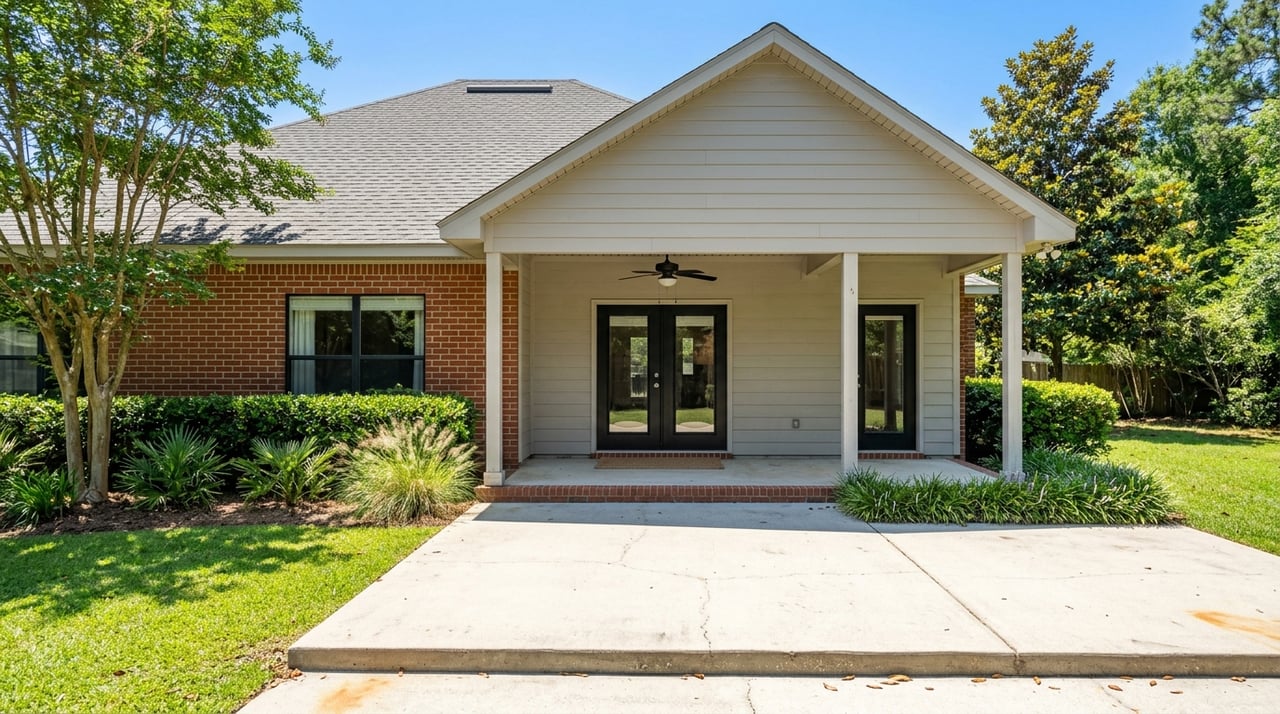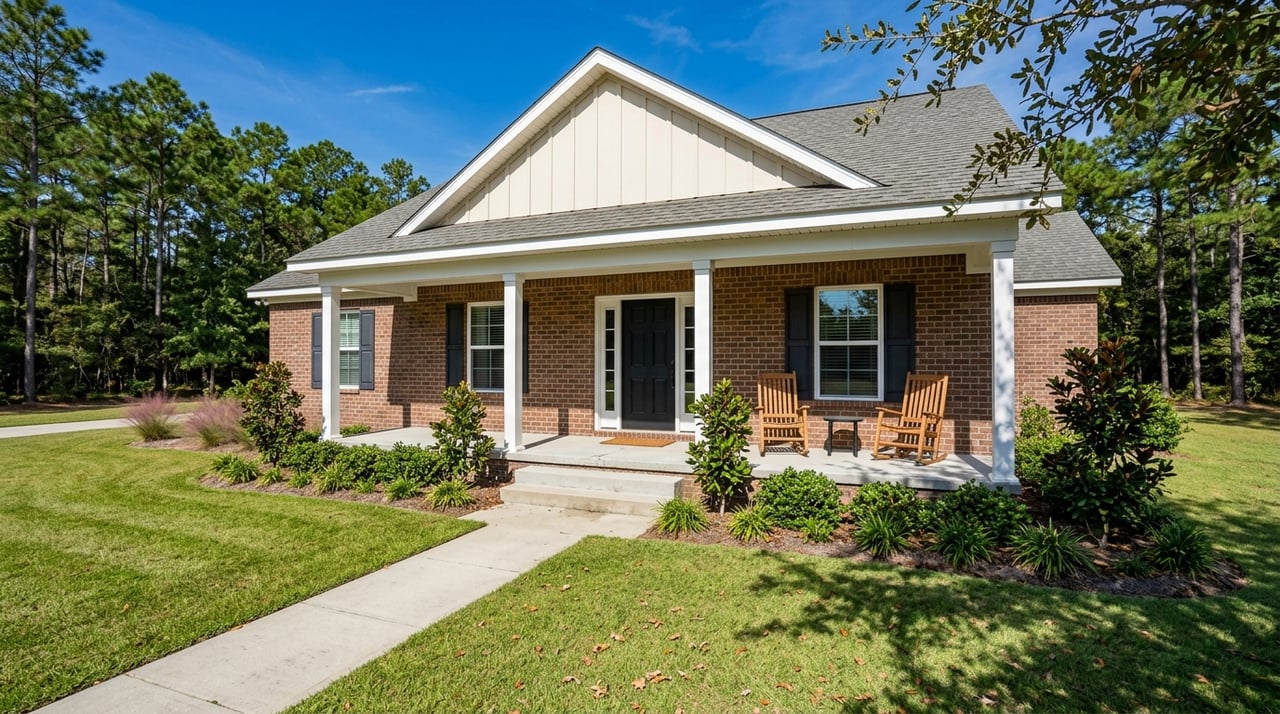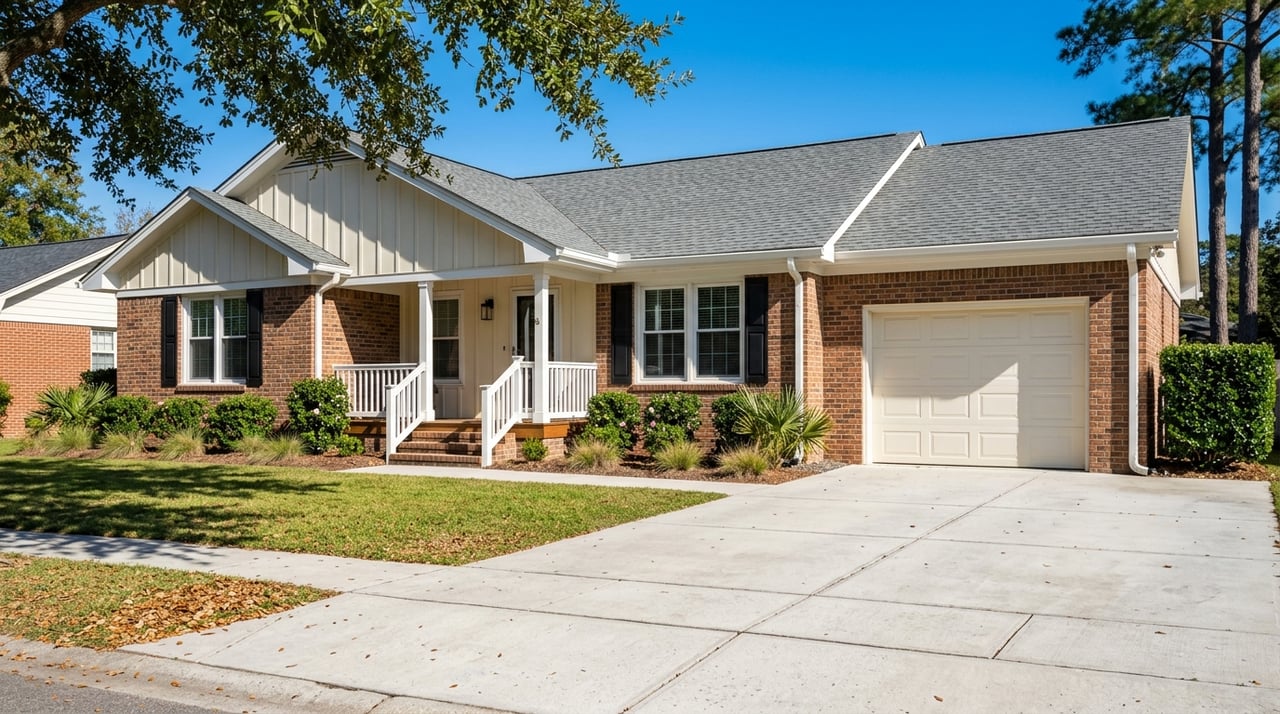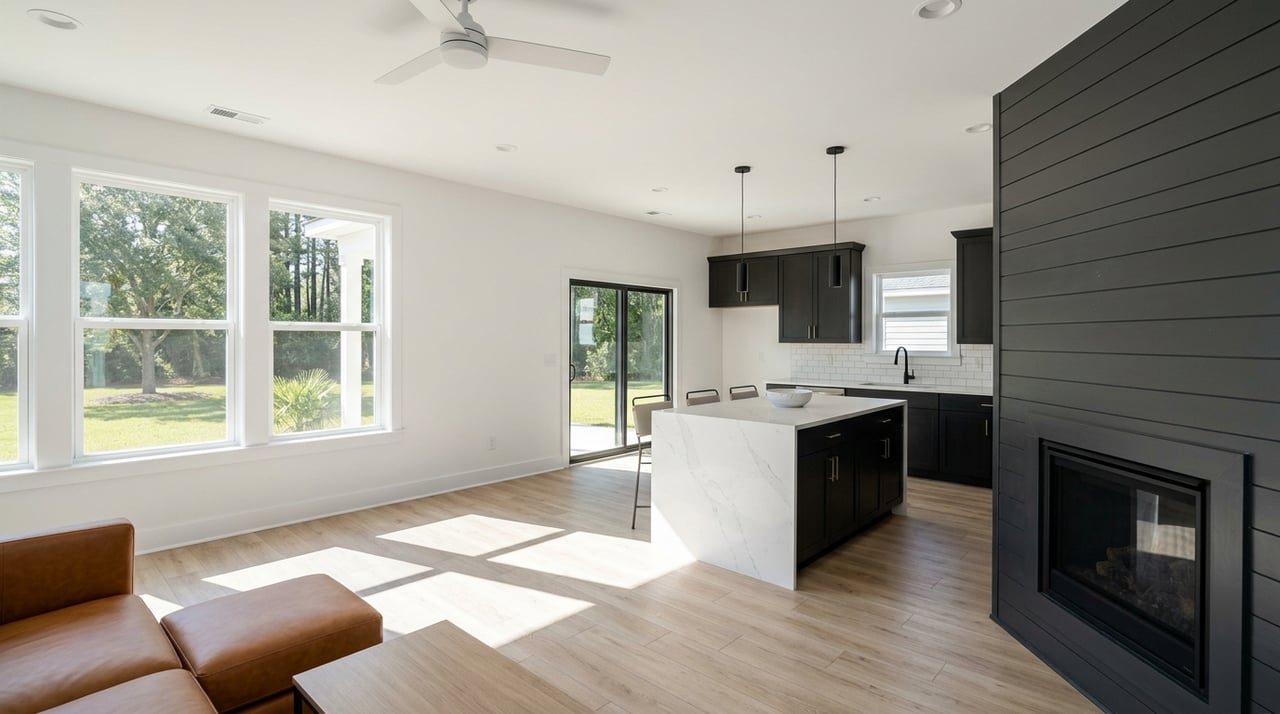
You love the charm of Bay St. Louis and you’re wondering if a rental or vacation home here can pull its weight. You’re not alone. Investors look to this coastal market for weekend demand, flexible owner use, and approachable price points. In this guide, you’ll get a clear picture of rules, taxes, returns, insurance, and a practical checklist to move from idea to action. Let’s dive in.
Why Bay St. Louis for rentals
Bay St. Louis sits on the Mississippi Gulf Coast with beach access, regional attractions, and a steady flow of weekend and holiday visitors. That mix supports both long-term rentals and short-term vacation stays. Public listings on major travel sites also signal an active vacation rental presence and ongoing demand.
For quick context, recent snapshots show an average home value near $230,783 and an average observed rent near $1,280 per month in Bay St. Louis. Use those as starting points when comparing long-term and short-term scenarios. Your actual returns will depend on property type, location, finishes, amenities, and management.
STR vs. long-term: which fits you
Both paths can work. Your choice depends on how hands-on you want to be, your risk tolerance, and your timeline.
Long-term rentals
- Pros: steadier cash flow, simpler day-to-day operations, and easier insurance in some cases.
- Cons: lower total income potential compared to peak vacation periods.
Short-term vacation rentals (STRs)
- Pros: higher nightly rates and upside on peak dates.
- Cons: more operational complexity, local registration and inspections, higher insurance and maintenance, and revenue swings by season and weather.
Hybrid approach
- Combine owner stays with STR, or pivot to seasonal long-term during slower months. Always keep permits active and follow the city’s advertising and posting rules.
Short-term rental rules you must follow
Bay St. Louis adopted a Short-Term Rental Registration and Regulation Ordinance in 2024. If you plan to rent for fewer than 30 days, you must comply. Key points:
- Register before you advertise. A permit is required prior to listing or marketing a property. The registration is per unit and non-transferable. Your registration number must appear in every advertisement. Review the ordinance details in the city’s Short-Term Rental Registration and Regulation Ordinance PDF.
- Operational requirements. Expect a posted tenant information packet, minimum safety equipment, an approved parking plan, required trash containers, and inspections on registration and renewal.
- Local 24/7 contact. You must have a local contact who can respond in person within 30 minutes.
- Occupancy formulas. Occupancy typically follows a per-room formula, such as two persons per legal sleeping room plus a small allowance. Check the ordinance for exact calculations and enforcement.
- On-street parking. STRs must not rely on on-street parking. Provide adequate on-site spaces per your plan.
Noncompliance can lead to fines, denial, or revocation. Build these items into your operations and budget from day one.
Taxes: what to model
- State sales/use tax. Mississippi’s state sales/use tax is 7 percent. See the city’s summary on its business and tax page. Confirm state rules on short-term lodging taxation and how remittance works for your setup.
- County lodging/room tax. Hancock County has historically levied a 2 percent room tax that supports tourism. This was reflected in a statewide tourism report’s county table. Verify current rates and remittance steps before you finalize projections. See the context in the Visit Mississippi Economic Impact Record (FY2018).
- Platform collection. Some platforms may collect and remit certain taxes. You are still responsible for your city registration and making sure taxes are accounted for correctly.
Coastal insurance and maintenance realities
Coastal properties face unique wind, surge, and flood risks that affect both premiums and upkeep.
- Flood zones and elevation. Start with FEMA’s Flood Map Service Center to look up the property’s flood zone and request any Elevation Certificate. This determines whether NFIP flood insurance is mandatory and helps gauge premium exposure. Use the FEMA Flood Map Service Center.
- Wind coverage and the windpool. In Hancock County, wind and hail coverage may involve private carriers and the Mississippi Windstorm Underwriting Association (MWUA). Budget for higher premiums in coastal zones and confirm eligibility and pricing with local brokers. Review MWUA’s structure in the MWUA member manual.
- Elevated CAPEX. Salt air and humidity accelerate exterior paint wear, deck and stair replacements, roof wear, HVAC corrosion, and hardware rust. Plan for higher reserves and consider resilience upgrades like impact windows, elevated mechanicals, hurricane straps, and durable finishes. For practical guidance, see FEMA’s Coastal Construction Manual summary hosted here: FEMA P-55 Coastal Construction Manual.
How to run the numbers
When you underwrite in Bay St. Louis, compare both long-term and STR scenarios. Model three cases for STRs: conservative, base, and upside. Use paid STR analytics or verified historicals for ADR and occupancy.
Long-term rental basics
- Start with market rent times 12 months.
- Subtract vacancy, operating expenses, property taxes, and insurance to get NOI.
- Unlevered cap rate equals NOI divided by purchase price.
Average observed rent near $1,280 per month can help you sanity-check long-term figures. Always replace with property-specific comps.
STR example you can adapt
Below is an illustrative workflow. Replace each input with the property’s true ADR, occupancy, and expense quotes.
- Purchase price: $350,000
- Average daily rate (ADR): $300 for a 3-bedroom near the beach or Old Town area; adjust for your property type and location.
- Occupancy: 50 percent annual as a conservative mid-range assumption for small coastal markets. Your actual rate will vary by season and listing quality.
- Gross revenue: $300 × 365 × 0.50 = $54,750
- Operating and variable costs: 30 to 40 percent of gross for platform fees, management, cleaning, utilities, supplies. A conservative model uses about 45 percent total including reserves.
- Net operating revenue: $54,750 × (1 − 0.45) ≈ $30,112
- Unlevered cap rate: $30,112 ÷ $350,000 ≈ 8.6 percent
This is not a guarantee. It is a structure you can use to test scenarios. Increase insurance and maintenance reserves for coastal exposure. Stress-test for slower shoulder seasons and storm-related vacancies.
Seasonality and demand patterns
Gulf Coast demand rises in late spring and summer, with holiday weekends creating spikes. Off-season and midweek dates tend to soften. Occupancy and ADR depend on property type, proximity to attractions, amenities, staging, and your pricing strategy. For evidence of an active vacation market, review the inventory presence on travel sites like Expedia’s Bay St. Louis vacation rentals. To forecast accurately, purchase a paid STR report for your block or street, or request performance data from a local manager or seller.
Operations: your on-the-ground plan
- Local property manager. The STR ordinance expects a local point of contact who can respond in person within 30 minutes. A professional manager can also handle guest communications, cleanings, inspections, maintenance, and pricing.
- Marketing and guest experience. Invest in strong listing photos, accurate descriptions, and a clear house manual. Set expectations on parking, trash, and noise to protect your permit.
- Supplies and utilities. Budget for frequent linen turnover, consumables, landscaping, pest control, and higher utility loads.
- Compliance calendar. Track permit renewals, inspections, tax filings, and any ordinance updates.
Due-diligence checklist for investors
Work through these steps before you write an offer or advertise a stay.
- Confirm STR status and permit steps. Read the city’s requirements about registration, advertising, occupancy, parking, and inspections in the Short-Term Rental Registration and Regulation Ordinance. Call the Building and Zoning office to confirm fees and timelines.
- Check flood zone and elevation. Pull the FIRM panel and request any Elevation Certificate in the FEMA Flood Map Service Center. Price NFIP and private flood options if applicable.
- Get wind and full insurance quotes. Ask local brokers about coastal coverage, potential MWUA involvement, and today’s premium ranges. Review the MWUA member manual for program structure.
- Model taxes and remittance. Confirm the 7 percent state sales/use tax on the city’s business and tax page and check the county room tax context in the Visit Mississippi report. Verify current percentages with the appropriate offices.
- Buy a paid STR market report. Tools like AirDNA or AllTheRooms provide ADR, occupancy, seasonality, and revenue comps for your exact micro-market. Use those inputs to refine your pro forma.
- Plan coastal resilience and CAPEX. Price impact windows, elevated equipment, corrosion-resistant materials, and maintenance cycles. Review practical measures in the FEMA P-55 Coastal Construction Manual.
Ready to explore properties or pressure-test your numbers with local insight? Reach out to Trish Hamann for a friendly, no-pressure conversation about your goals and timeline.
FAQs
What are the Bay St. Louis STR permit requirements?
- You must register before advertising, display your registration number in every ad, provide a 24/7 local contact who can respond within 30 minutes, follow occupancy and parking rules, post tenant information, and pass required inspections.
How do lodging and sales taxes work for Bay St. Louis STRs?
- Model Mississippi’s 7 percent state sales/use tax and the county’s historically reported 2 percent room tax, then verify current rates and remittance steps with the city and state before booking guests.
What insurance should a coastal STR carry in Hancock County?
- Expect separate policies for wind/hail and flood when applicable; confirm coverage and pricing with local brokers and review MWUA windpool details for coastal counties.
What is a conservative occupancy rate to model for a Bay St. Louis vacation rental?
- A 50 percent annual occupancy is a conservative mid-range assumption for small coastal markets; adjust based on paid analytics, property type, and location.
Where can I check flood zones for a Bay St. Louis property?
- Use FEMA’s Flood Map Service Center to view the property’s FIRM panel and request any Elevation Certificate from the seller or local officials.
Can I switch between STR and long-term rental strategies in Bay St. Louis?
- Yes, many owners choose hybrid strategies, but you must keep your STR registration current, follow the ordinance, and update advertising and operations to match your chosen use.
What are average home values and long-term rents in Bay St. Louis?
- Recent snapshots show an average home value near $230,783 and average observed rent near $1,280 per month; use these only as starting points and verify with current comps.