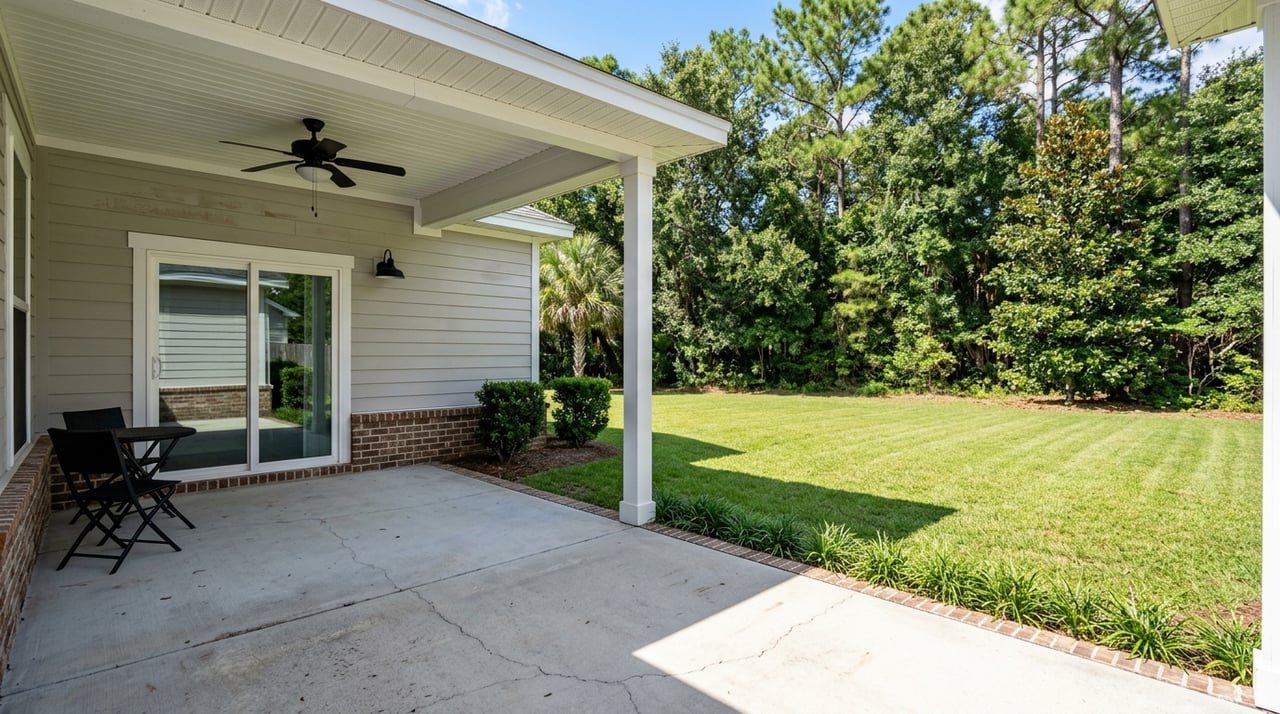
If you are dreaming about retiring near the water, Bay St. Louis probably checks a lot of boxes. It offers coastal charm, a historic downtown feel, local healthcare, and an active social scene without the pace of a big city. If you are wondering whether it is the right fit for your next chapter, this guide will help you weigh the lifestyle, costs, walkability, and trade-offs so you can decide with confidence. Let’s dive in.
Why retirees consider Bay St. Louis
Bay St. Louis stands out as a small coastal city with a strong sense of place. The city had an estimated 2024 population of 10,526, and 28.2% of residents are age 65 and older, according to U.S. Census QuickFacts for Bay St. Louis. In Hancock County, that share is also high at 23.9%.
For many retirees, that matters because it can signal a community where older adults are already part of daily life. Bay St. Louis is also known for its waterfront setting, historic character, and arts-focused atmosphere. The Mississippi Gulf Coast National Heritage Area describes the city as a place centered on Old Town, the harbor, and local history, which gives it a lifestyle appeal that many downsizers want.
Lifestyle in Bay St. Louis
Old Town offers the social hub
If lifestyle is your top priority, Old Town is one of the biggest reasons Bay St. Louis gets attention from retirees. This area brings together restaurants, local shops, entertainment, and waterfront access in one compact part of town. It feels social and active without being overwhelming.
The city’s municipal harbor page notes that shops, food, music, accommodations, and boardwalk access are just steps away. Old Town also hosts Second Saturday events with live music and shopping, which helps create a recurring community rhythm throughout the year.
Recreation stays close to home
Retirement often works best when it is easy to stay active and connected. In Bay St. Louis, that can mean beach access, time on the water, or low-key outdoor activities nearby. The local recreation offerings include sailing, fishing, tennis, and pickleball, giving you several ways to build movement and routine into your week.
The heritage area also highlights a walking and biking tour of historic sites, which adds another layer to daily life. If you enjoy a town where you can mix scenic views, local events, and casual recreation, Bay St. Louis has a lot going for it.
Walkability and getting around
Walkable in parts, not everywhere
One of the most important things to understand is that Bay St. Louis is not a fully walkable city. According to the city’s comprehensive plan, Bay St. Louis has a Walk Score of 46 out of 100 and a Bike Score of 44. The best walkability is concentrated in Old Town, nearby neighborhoods, and along Highway 90.
That means your day-to-day experience can vary a lot depending on where you live. In Old Town, you may find it easier to walk to dining, entertainment, and some waterfront destinations. In other parts of the city, pedestrian infrastructure is weaker, and you will likely depend more on a car.
What that means for retirement
If your ideal retirement includes strolling to coffee, local events, or the harbor, certain parts of Bay St. Louis may fit well. If you want easy access to every daily need without driving, the city may feel more limited. For many buyers, Bay St. Louis works best as a place with walkable pockets, not a car-free lifestyle.
Healthcare and aging in place
Local care is available
Healthcare access is a big part of any retirement decision, and Bay St. Louis does offer hospital-level care in town. Ochsner Medical Center - Hancock provides hospital, clinic, and surgical services and says it has served the community since 1960.
For primary and preventive care, Coastal Family Health Center in Bay St. Louis also supports local residents, and the research report notes that it accepts Medicare, Medicaid, and most private insurance. That can make routine care more convenient for retirees who want services close to home.
Specialty care may require travel
Bay St. Louis benefits from Ochsner’s broader Coastal Mississippi network, which includes multiple communities across the region. That helps support access to care beyond one single facility. At the same time, some specialty appointments may still involve travel outside town.
For many retirees, that is a manageable trade-off. It simply means Bay St. Louis offers practical local care, but it is not the same as living in a major medical hub.
Costs, taxes, and budgeting
Mississippi tax advantages help retirees
Mississippi offers several tax features that may appeal to retirees. According to the Mississippi Department of Revenue, Social Security is not taxed, and retirement income, pensions, and annuities are generally not subject to Mississippi income tax if retirement-plan requirements are met.
The same source notes that taxable income is taxed at 4.4% after the first $10,000. Mississippi also offers an age or disability homestead exemption, where qualified homeowners age 65 and older or totally disabled may receive an exemption on the first $7,500 of assessed value.
Local taxes still matter
Even with state-level tax advantages, it is smart to look at local costs closely. Hancock County’s 2025-2026 tax levy shows Bay St. Louis at 119.70 total mills, and the county lists the local sales tax rate at 7%.
These numbers matter when you compare Bay St. Louis to other retirement spots. They may not be deal-breakers, but they should be part of your full monthly budget alongside insurance, utilities, and healthcare.
Housing ranges from cottages to condos
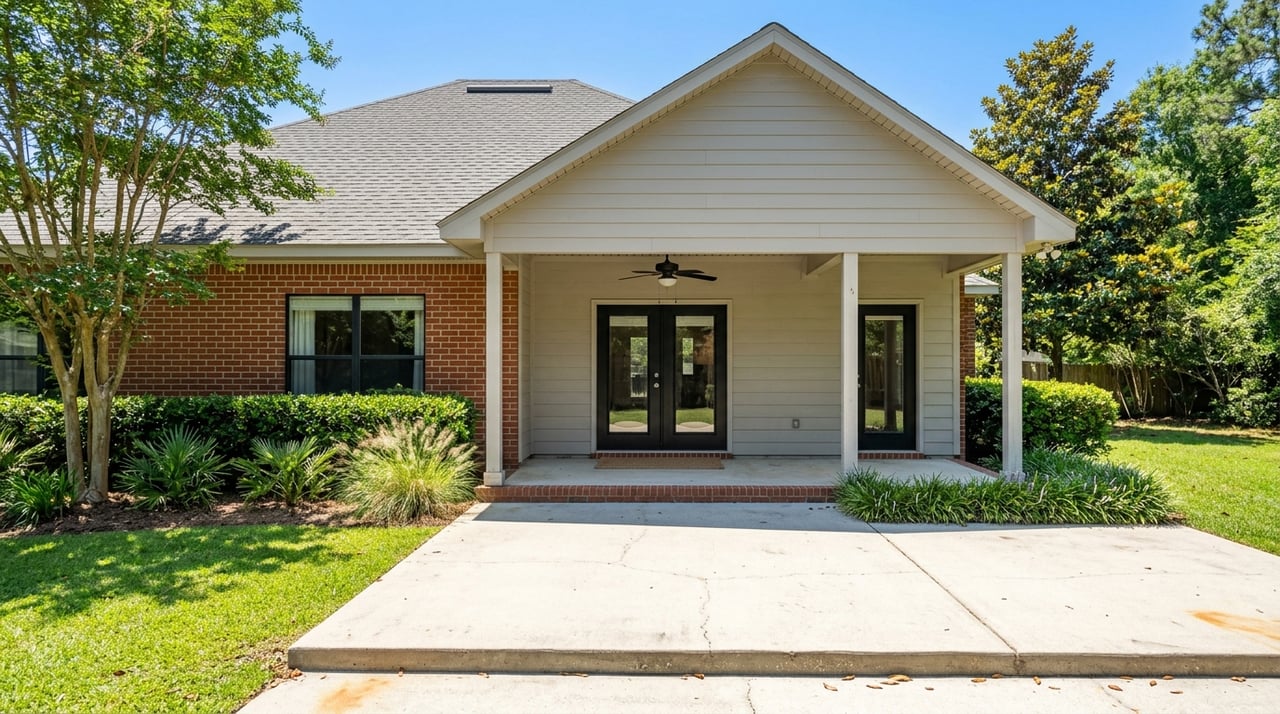
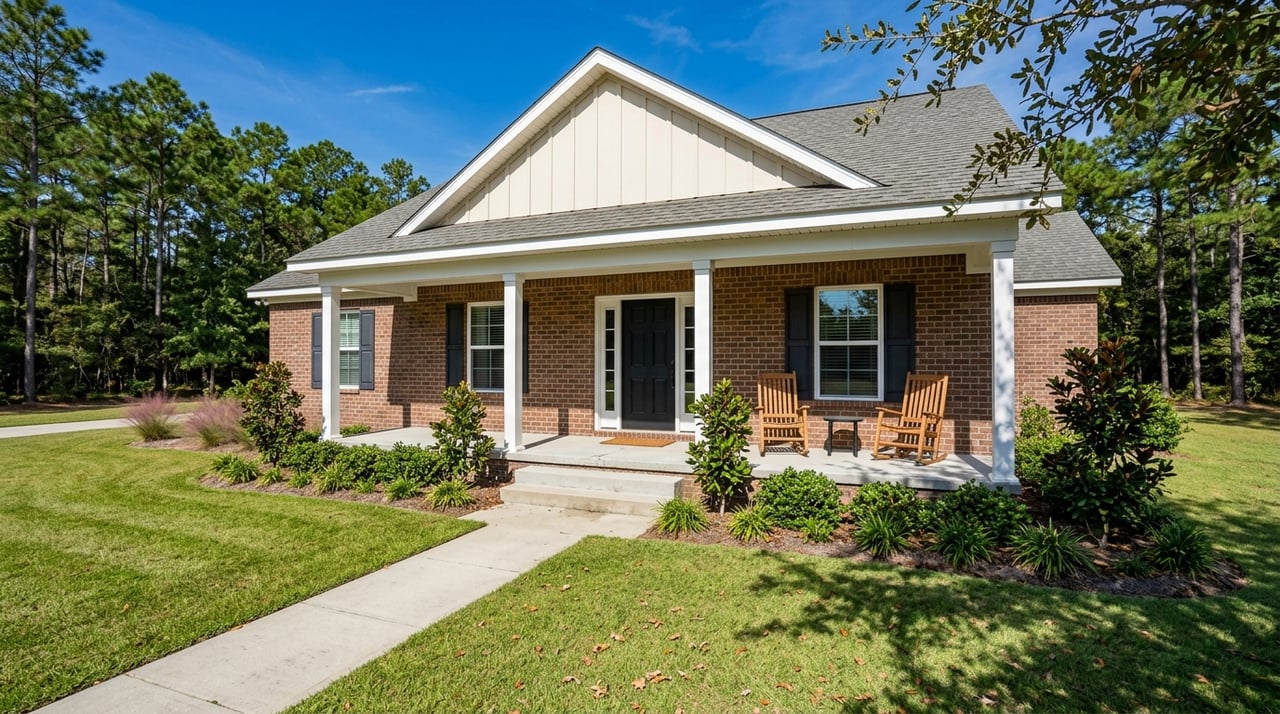
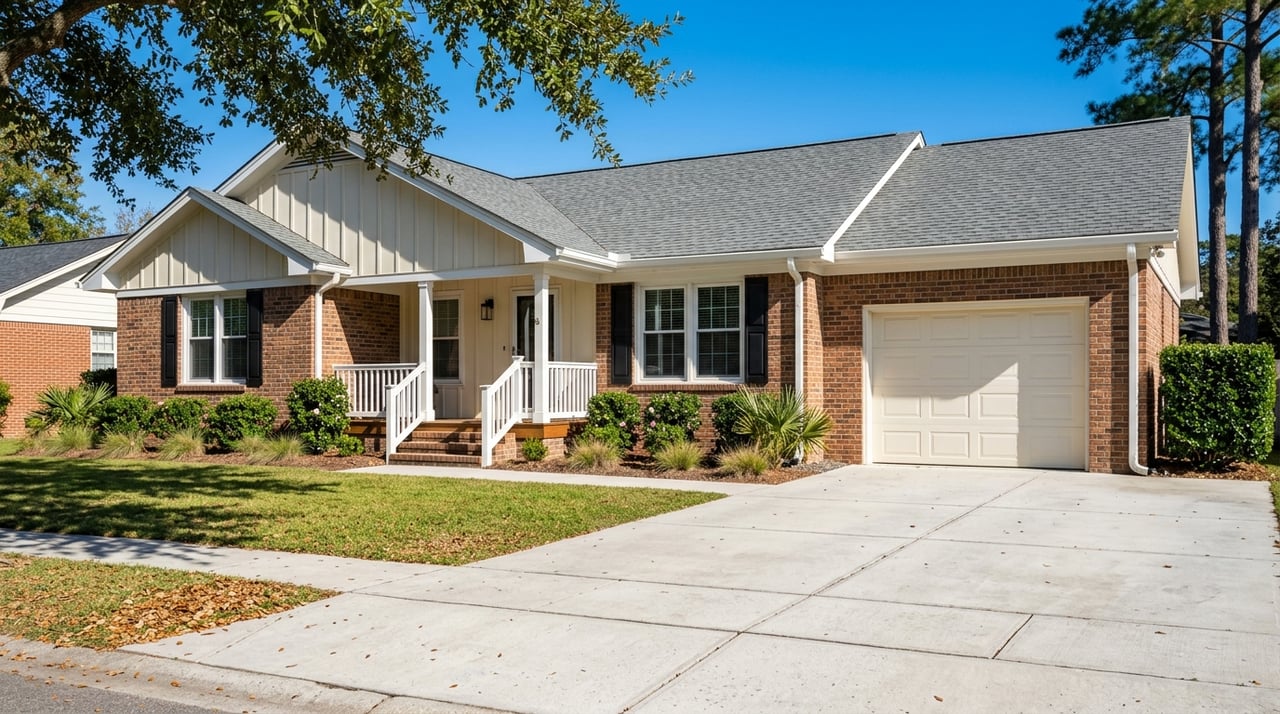
Bay St. Louis offers a mix of housing styles that can work for different retirement goals. The heritage area describes Old Town architecture as including shotguns, Queen Anne homes, and bungalows, with many homes and buildings listed on the National Register. That gives the market a distinct historic feel in some areas.
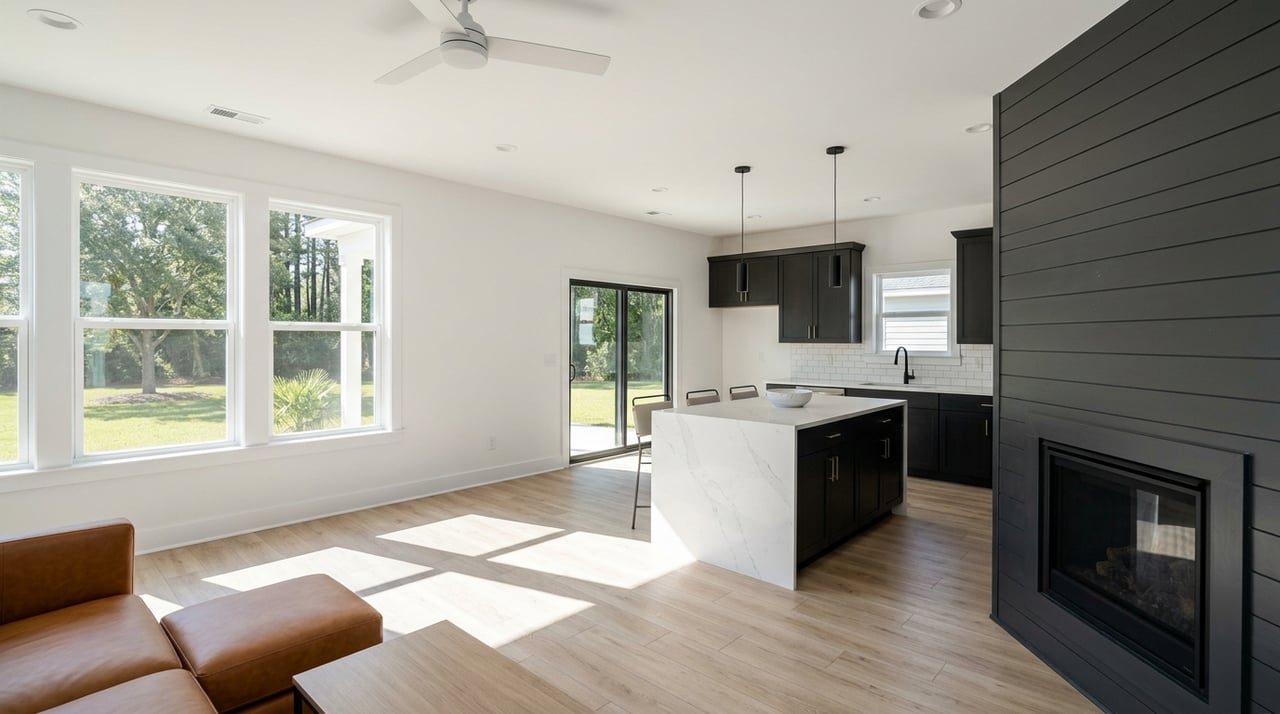
If you want something simpler to maintain, condo-style living also appears to exist near downtown and the beach, based on the current vacation-rental inventory referenced in the research. For retirees who are downsizing, that variety can be helpful.
The U.S. Census QuickFacts reports a median owner-occupied home value of $260,200 in Bay St. Louis and $224,200 in Hancock County. Median gross rent in Bay St. Louis is $1,179, which can also help if you are considering renting before you buy.
Coastal risks to think about
Flood zones and insurance deserve a close look
Because Bay St. Louis is a coastal city, flood risk should be part of your decision. Before buying, you will want to verify the flood zone for any specific property and understand the related insurance costs. The official place to check is FEMA’s Flood Map Service Center.
This is especially important if you are comparing homes near the water, in low-lying areas, or in neighborhoods where elevation and insurance costs can vary from one address to the next. A home that looks perfect on paper may have very different ownership costs once flood insurance is included.
Storm planning matters too
The city also provides hurricane and evacuation guidance for harbor users and offers CodeRED alerts for residents. That does not make Bay St. Louis unusual for the Gulf Coast, but it does mean preparedness is part of living here. For many retirees, coastal living is worth that extra planning, as long as they go in with clear expectations.
Is Bay St. Louis a good place to retire?
For the right person, yes. Bay St. Louis can be a very appealing retirement destination if you want a small coastal town with local character, community events, waterfront access, and enough healthcare support for everyday needs.
It may be especially attractive if you value historic charm, social energy in Old Town, and housing options that range from classic cottages to lower-maintenance properties. State tax advantages can also make the financial side more appealing for retirees.
The biggest trade-offs are also clear. Bay St. Louis is not universally walkable, it is not a major medical center, and coastal buyers need to pay close attention to flood zones and insurance. If you are comfortable with those realities, Bay St. Louis offers a lifestyle that many retirees find rewarding.
If you are thinking about retiring on the Mississippi Gulf Coast and want help comparing neighborhoods, home styles, and day-to-day fit, Trish Hamann is here to make the process feel clear, local, and low-stress.
FAQs
Is Bay St. Louis, Mississippi walkable for retirees?
- Bay St. Louis has walkable areas, especially in Old Town and along Highway 90, but the city as a whole is not fully walkable, according to the city’s comprehensive plan.
Does Bay St. Louis, Mississippi have healthcare for retirees?
- Yes. Bay St. Louis has local care through Ochsner Medical Center - Hancock and primary and preventive care options in town, although some specialty care may require travel elsewhere in the region.
Are Mississippi retirement taxes favorable for Bay St. Louis retirees?
- Mississippi can be tax-friendly for retirees because Social Security is not taxed, and retirement income, pensions, and annuities are generally not subject to state income tax if plan requirements are met.
What is the cost of housing in Bay St. Louis, Mississippi for retirees?
- The U.S. Census reports a median owner-occupied home value of $260,200 in Bay St. Louis, with a median gross rent of $1,179, which can help you estimate whether buying or renting fits your retirement plan.
Should retirees worry about flood zones in Bay St. Louis, Mississippi?
- Yes. Because Bay St. Louis is a coastal community, you should check the flood zone and likely insurance costs for any specific property before making an offer.