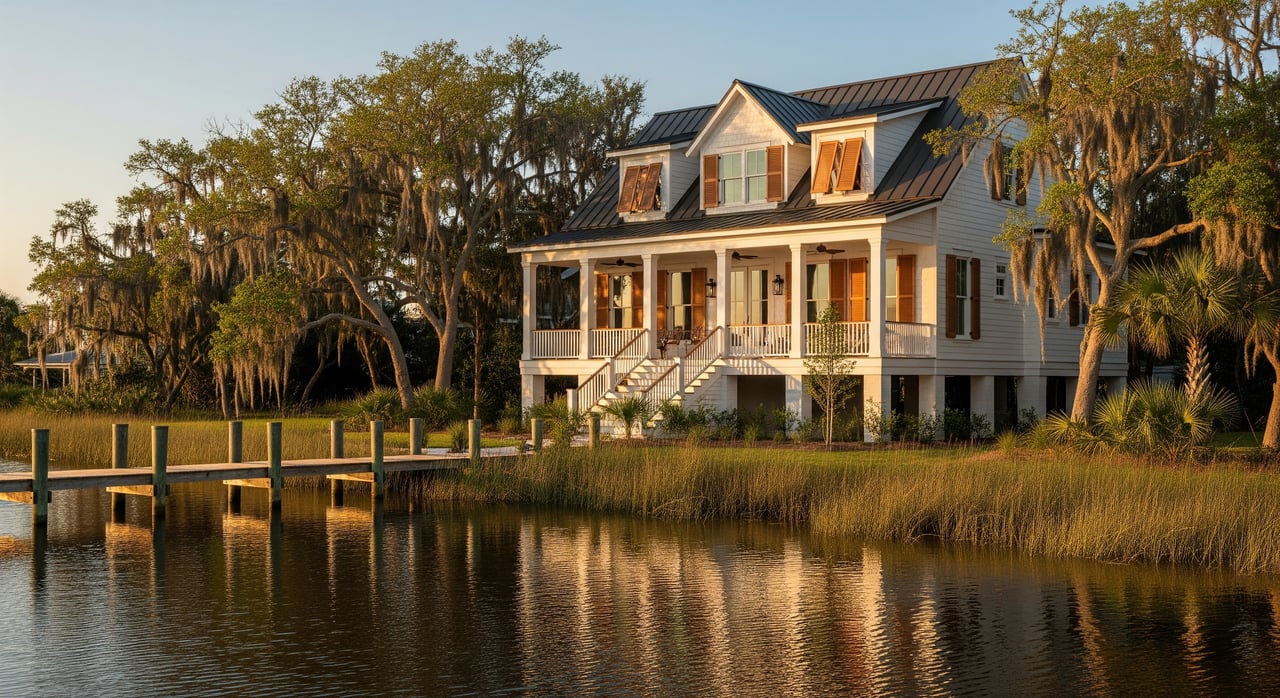
You want your Ocean Springs home protected when storms roll in, but comparing coastal insurance can feel confusing. You are weighing wind, surge, and flooding risks along with premiums and deductibles. In this guide, you will learn how homeowners, flood, and wind coverage work together on the Mississippi Gulf Coast, what deductibles to expect, and the exact questions to ask before you choose a policy. Let’s dive in.
Ocean Springs coastal risks at a glance
Ocean Springs faces hurricane-force winds, windborne debris, and storm surge that can drive water well inland. Heavy rain can also overwhelm drainage systems and cause interior water damage. Some shoreline areas experience erosion and long-term change, which can affect insurability.
Many homes near the coast fall in FEMA flood zones where lenders require flood insurance on federally backed mortgages. AE and VE zones are common near the shoreline. VE zones carry higher risk and stricter building standards. Insurers often exclude flood from homeowners policies and may apply separate wind or hurricane deductibles.
Local building codes and windborne debris requirements matter. Documented mitigation, such as impact-resistant windows, newer roofs, and hurricane straps, can help with underwriting and potential premium credits.
Policy types you will compare
Homeowners coverage basics
Most single-family homes use HO-3 or HO-5 forms. HO-3 typically provides broader protection for your dwelling and named-peril coverage for personal property. HO-5 can extend open-peril coverage to personal property, which can be useful for higher-value contents.
Review limits for dwelling, other structures, personal property, liability, and Additional Living Expenses. Confirm whether your policy uses replacement cost or actual cash value for both the dwelling and your belongings. Replacement cost avoids a depreciation deduction, while actual cash value reduces payouts by wear and tear.
Flood insurance essentials
Flood damage is not covered by standard homeowners policies. You will need a separate flood policy. The NFIP provides federally backed flood coverage sold through private agents, with typical maximums of building up to $250,000 and contents up to $100,000 for single-family residential. Private flood carriers may offer higher limits or different pricing, depending on the property.
Plan your timing. The NFIP usually has a 30-day waiting period for new policies. Private flood policies may have different timelines, so start early if you are under contract.
Wind and hurricane coverage
Wind losses are commonly covered under homeowners policies, but coastal policies often include a separate wind or hurricane deductible. This is frequently a percentage of your dwelling limit and may be triggered by a named storm. Some properties require a stand-alone wind policy or endorsement. Read the declarations page and deductible clause carefully so you know what event triggers the higher deductible.
Useful endorsements to consider
- Ordinance and Law coverage to pay for code-required upgrades while you rebuild.
- Water or sewer backup coverage, which is not always included.
- Scheduled personal property for jewelry, art, or other high-value items.
- Sinkhole or earth movement endorsements if applicable.
- Loss Assessment coverage for condos or HOAs that may assess owners after a covered loss.
Deductibles and your budget
Deductible types you will see
- Flat dollar deductibles, often $500 to $1,000, for many perils.
- Percentage deductibles for wind or hurricanes, such as 1 percent, 2 percent, 2.5 percent, or 5 percent of your dwelling limit.
- Separate deductibles for different policies, such as a flood deductible under an NFIP or private flood policy.
Tradeoffs to weigh
A higher deductible usually lowers the premium but increases your out-of-pocket cost after a loss. Percentage deductibles scale with your dwelling limit, so raising the limit increases the dollar amount of your wind or hurricane deductible. Carriers may require higher deductibles for older homes or higher-risk locations. Very high deductibles can make smaller claims impractical to file.
A simple budgeting example
Consider this hypothetical scenario: Your dwelling limit is $300,000 and your hurricane deductible is 2 percent. Your out-of-pocket would be $6,000 for a covered named-storm event. If you wanted to set aside that amount over a year, you would save $500 per month. Add your annual premiums for homeowners, flood, and any wind endorsements to estimate your true monthly housing cost. Many buyers prefer a 3 to 6 month emergency fund plus a separate deductible reserve for coastal properties.
How to compare quotes in Ocean Springs
Request these documents with each quote
- Full declarations page showing coverage limits, deductibles, and endorsements.
- Policy forms and endorsements so you can read wind and hurricane triggers, exclusions, and conditions.
- Premium breakdown for homeowners, wind components, flood, and any credits or surcharges.
- Documentation for claimed credits, such as roof age, impact glass, shutters, or elevation certificate.
- Company financial strength rating and whether the policy is admitted in Mississippi.
- Claims handling details, such as adjuster availability and typical timelines, plus state complaint information.
Ask insurers and agents these questions
- Is wind or hurricane coverage included, or is a separate policy required?
- Is there a separate wind or hurricane deductible, and is it a percentage or a flat amount?
- What event triggers the hurricane deductible, such as a named storm?
- What is the property’s FEMA flood zone, and is an elevation certificate needed?
- Do you offer mitigation credits for impact windows, newer roofs, or tie-downs, and what proof is required?
- Is replacement cost or actual cash value used for the dwelling and for contents?
- What sub-limits apply to jewelry, antiques, or detached structures?
- Is Ordinance and Law coverage included, and at what percentage of dwelling coverage?
- What is the Additional Living Expenses limit and any time caps?
- Is water or sewer backup included, or must it be added?
- What waiting periods apply to flood or new coverages?
- Are there exclusions for coastal erosion, settling, or subsidence?
- How do prior claims affect eligibility or premium, and what is the lookback period?
- Is the policy admitted in Mississippi, and what does that mean for protections?
Make an apples-to-apples comparison
Ask each carrier to quote identical limits, endorsements, and deductibles. Keep a simple comparison table with the carrier name, dwelling limit, deductible type and amount, flood details, ALE limit, endorsements, and annual premium. Note any activation language for hurricane deductibles and any conditions that could affect a claim.
Local steps before you quote
Gather property details
Have the address, parcel, year built, construction type, roof age and material, and any recent improvements ready. Include information about basements or crawlspaces, an elevation certificate if available, and any prior claim history with dates and types. If you have a lender, confirm mortgage requirements for flood coverage.
Mitigation that can help
Elevation and compliance with local floodplain rules can improve insurability in AE or VE zones. Consider impact-rated windows or shutters, an upgraded roof with impact-resistant materials, and hurricane straps or clips. Secondary water barriers, well-kept gutters and downspouts, and flood openings for enclosed areas below Base Flood Elevation can support better performance and potential rating benefits.
Timing tips for buyers
Check FEMA Flood Insurance Rate Maps and Base Flood Elevation early, and start flood applications promptly due to typical waiting periods. If you are buying, include insurance contingencies in your offer and request seller disclosures and prior insurance history. Coordinate closing timelines so coverage is active when you take possession.
Waterfront liability notes
Waterfront homes may involve added liability factors, such as docks or guest water activities. Consider higher liability limits or an umbrella policy. In condos or HOAs, confirm how the master policy works and whether you need loss assessment coverage.
Carrier selection and consumer protections
Verify carrier licensing and complaint history with the Mississippi Insurance Department. Review financial strength ratings from services that evaluate an insurer’s ability to pay catastrophe claims. Ask about catastrophe response plans, local adjuster presence, and how claims were handled after prior major events.
Understand the difference between admitted and non-admitted carriers. Admitted carriers are regulated in Mississippi and participate in state guaranty funds. Non-admitted carriers can provide capacity in tough markets but offer different consumer protections. Confirm what this means for you before binding coverage.
A simple action plan
- Map your risk: wind, surge, and flood exposure for your address.
- Set your budget: premiums plus a realistic deductible reserve.
- Gather documents: elevation certificate, roof info, upgrades, and claims history.
- Request quotes: identical limits, endorsements, and deductible terms across carriers.
- Compare carefully: triggers for hurricane deductibles, ALE limits, Ordinance and Law, and water backup.
- Decide and bind early, especially for flood policies with waiting periods.
Ready to line up quotes and understand how insurance fits into your home search or sale plan? Connect with Trish Hamann for local intros to reputable carriers, help coordinating timelines, and a smooth path to closing.
FAQs
What home insurance do Ocean Springs owners need?
- Most owners combine a homeowners policy with separate flood coverage, and in some cases a wind endorsement or stand-alone wind policy, to address coastal risks.
How do hurricane deductibles work on the Coast?
- Many coastal policies use a percentage deductible for named storms, based on your dwelling limit, which can be higher than your standard deductible when triggered.
Does homeowners insurance cover flooding in Ocean Springs?
- Standard homeowners policies exclude flood; you will need a separate NFIP or private flood policy for storm surge and overland flooding.
What are typical NFIP limits for a house?
- NFIP policies commonly offer building coverage up to $250,000 and contents up to $100,000 for single-family homes, with a typical 30-day waiting period.
How can I lower premiums in AE or VE zones?
- Document mitigation such as elevation, impact windows or shutters, a newer roof with hurricane straps, and accurate elevation certificates to qualify for potential credits.
What should I ask before choosing a carrier?
- Ask about wind and hurricane coverage, deductible triggers, replacement cost vs actual cash value, ALE limits, water backup coverage, admitted status, and financial strength.