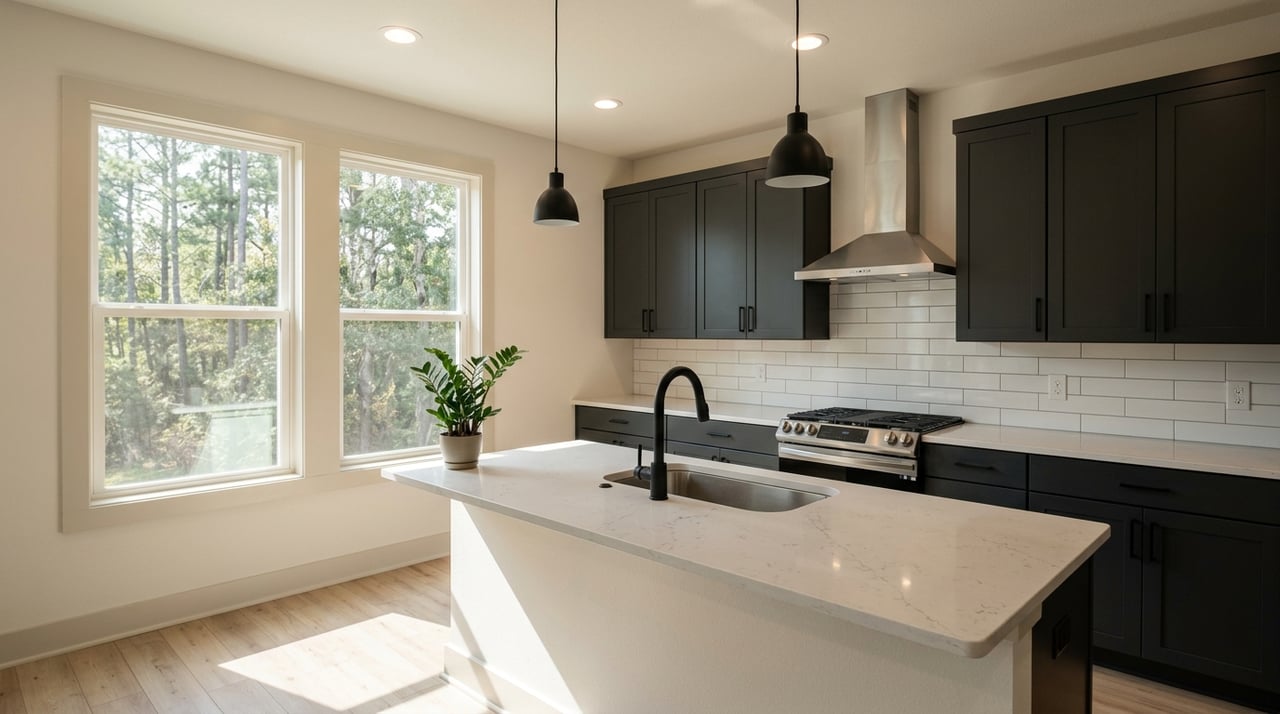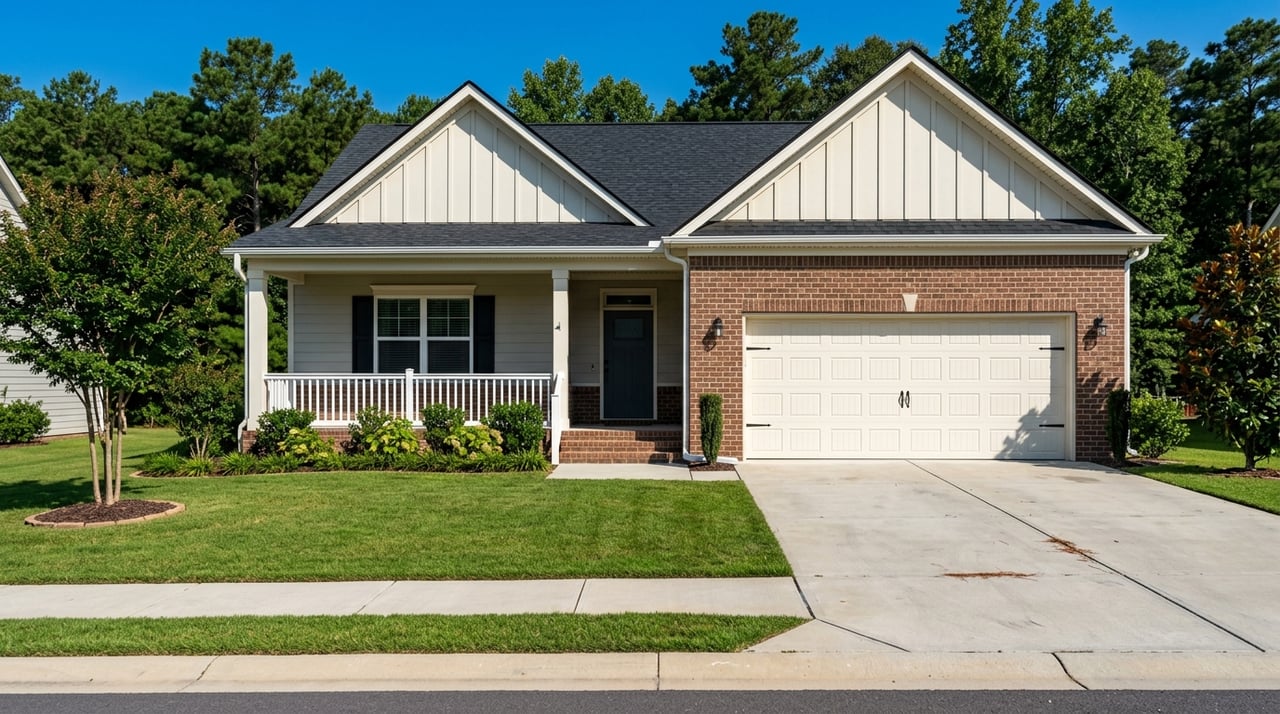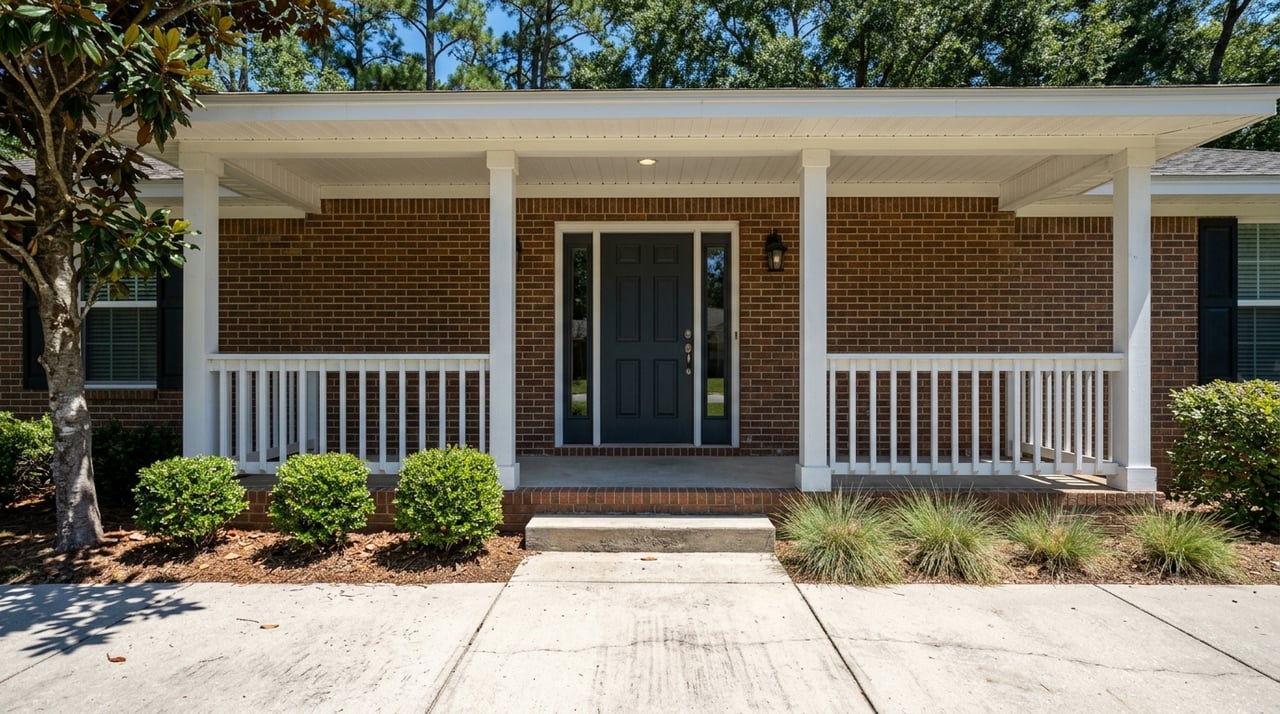
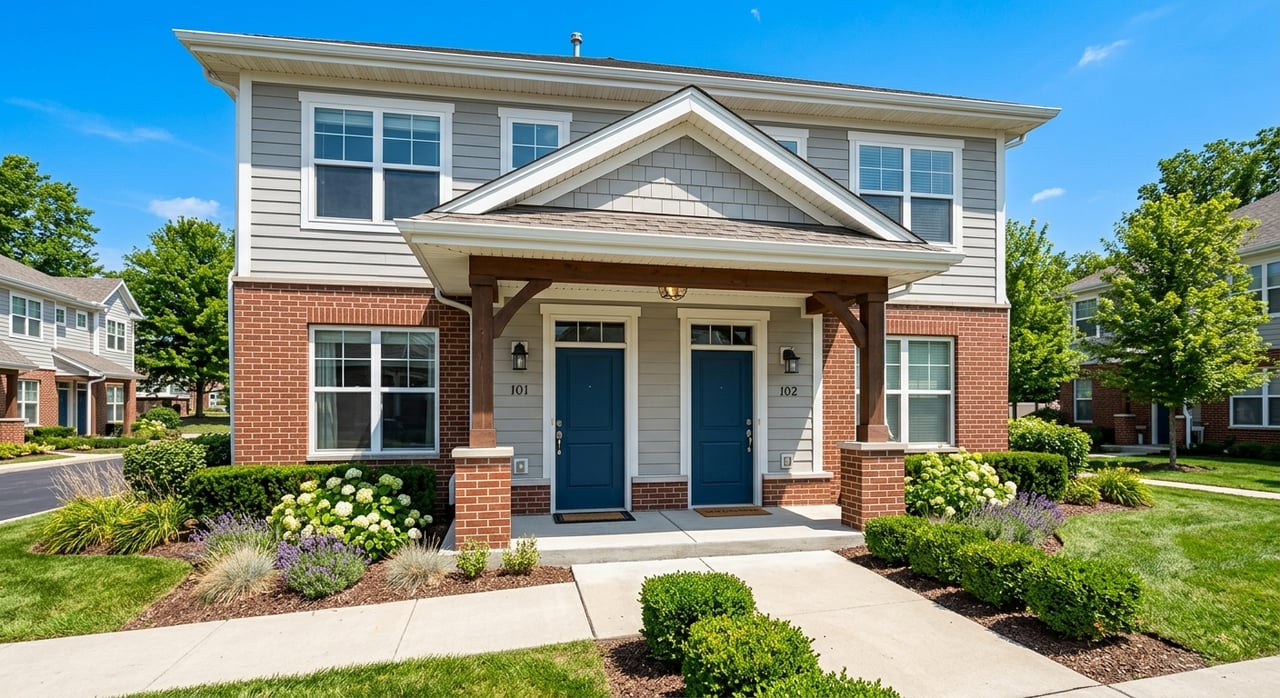
Trying to decide between a condo and a house in Biloxi? You are not alone. For many buyers, this choice shapes your monthly budget, your daily routine, and how much flexibility you have down the road. If you are weighing beach access, maintenance, privacy, or rental potential, this guide will help you sort through the tradeoffs with Biloxi in mind. Let’s dive in.
Biloxi Market Snapshot
Biloxi gives you real options on both sides of the condo-versus-house debate. Current market data shows about 90 condos for sale and roughly 644 active homes overall, which means you can compare property types instead of settling for whatever is available.
Pricing also shows why it pays to look closely at each listing. Realtor.com reports a median listing price of $308,500 and median days on market of 83, while Zillow shows an average home value of $232,658 and a median sale price of $256,326. In simple terms, asking prices and closed prices are not the same thing, so your lifestyle choice should be paired with a careful look at actual carrying costs.
Why Property Type Matters in Biloxi
In Biloxi, the condo-versus-house decision is not just about square footage. Because this is a Gulf Coast market, you also need to think about storm-related costs, insurance structure, and how much property upkeep you want to handle yourself.
FEMA notes that standard homeowners insurance does not include flood insurance. The Mississippi Insurance Department also advises property owners to confirm both flood and windstorm coverage, and if windstorm is excluded, coverage may be available through the Mississippi Windstorm Underwriting Association.
That means your monthly cost picture should include more than a mortgage payment. Whether you buy a condo or a house, insurance details can make a meaningful difference in affordability.
Condo Living in Biloxi
A condo can be a strong fit if you want a simpler day-to-day routine. Many Biloxi condo listings highlight features like gated access, pools, fitness centers, balconies, and waterfront or beach proximity, which is a big part of the appeal for buyers who want convenience and amenities.
With a condo, you own your unit while sharing ownership of common elements with other owners in the building or community. An HOA or condo board usually collects fees, manages rules, and handles maintenance for shared areas.
That setup can feel easier than owning a detached house, especially if you like a lock-and-leave lifestyle. If you travel often, split time between homes, or simply do not want to spend weekends on yard work and exterior upkeep, a condo may check a lot of boxes.
What Condo Fees Cover
HOA dues are often the biggest monthly difference between a condo and a house. Fees vary based on location, age, condition, amenities, and reserve funding for future repairs.
Depending on the community, those dues may help cover items like:
- Common area maintenance
- Exterior building upkeep
- Shared utilities or services
- Building insurance for common elements
- Amenities such as pools or fitness spaces
- Reserve funds for major repairs
That said, condo ownership is not maintenance-free. You still need to understand what the association covers, what you cover personally, and whether the building has healthy reserves.
Condo Tradeoffs to Know
The biggest condo advantage is convenience. The biggest condo risk is shared decision-making.
If reserves are weak or a building needs major work, owners may face special assessments. Mississippi condominium law allows assessments for items like management, insurance, maintenance, repairs, and related expenses, and unpaid assessments can become a lien against the unit.
You also need to be comfortable with association rules. Exterior changes, rental policies, and some use restrictions may be controlled by the condo documents and board decisions.
House Living in Biloxi
A single-family house is often the better match if you want more control over your property. You may have more room, more privacy, and more freedom to handle landscaping, repairs, and exterior updates on your own timeline.
That freedom comes with more responsibility. Unlike condo ownership, where some costs are shared through dues, a house owner is generally responsible for both routine maintenance and major repairs.
For many buyers, that tradeoff is worth it. If you want a yard, storage, separation from neighbors, or more flexibility in how you use the property, a detached home may fit your lifestyle better.
What a House Owner Should Expect
Owning a house means planning for regular upkeep as part of the cost of ownership. In Biloxi, that can also mean paying closer attention to storm prep, roof condition, drainage, and insurance options.
A house can offer more independence, but it does not usually come with the same built-in amenities or exterior maintenance support you may find in a condo community. You are trading shared services for personal control.
Monthly Costs: Condo vs House
When buyers compare condos and houses, the monthly payment is often where the decision gets real. A condo may have a lower maintenance burden, but HOA dues are separate from your mortgage unless they are escrowed.
A house may not have monthly condo dues, but you are the one budgeting for lawn care, exterior upkeep, repairs, and replacement costs. In both cases, property taxes and insurance still need close review.
Here is the practical difference:
| Property Type | Common Monthly Cost Pattern | Main Budget Watchouts |
|---|---|---|
| Condo | Mortgage, taxes, insurance, HOA dues | Special assessments, insurance split, reserve strength |
| House | Mortgage, taxes, insurance, direct maintenance costs | Repair timing, exterior upkeep, storm-related expenses |
For taxes, owner-occupied condos and houses can both qualify for Mississippi’s homestead exemption if eligibility rules are met. According to the Mississippi Department of Revenue, you must own and occupy the home as your primary residence, apply through the county tax assessor, and file between January 1 and April 1.
Financing and Resale Considerations
If you are buying a condo, the building itself can affect financing options. Fannie Mae notes that lenders review condo projects as a whole and may raise concerns if a project has critical repairs, inadequate insurance, or significant litigation.
HUD also requires condo projects to meet approval standards tied to insurance, financial condition, title, legal issues, and physical condition, unless a buyer can use an eligible single-unit approval path. For you as a buyer, that means condo resale value is tied not only to your unit, but also to the health of the project.
A house purchase is usually more straightforward on this front because financing focuses more directly on the property and borrower. That does not make a house automatically better, but it does mean condos require a wider lens before you make an offer.
Short-Term Rental Rules Matter in Biloxi
If rental income is part of your plan, Biloxi’s local rules deserve extra attention. The city allows short-term rentals as a permitted use in Community Business, Regional Business, Downtown, and Waterfront districts, and as a conditional use in RM-20 and RM-30.
Short-term rentals are not permitted in single-family zones RS-5, RS-7.5, RS-10, RE, or RER. To operate one where allowed, the city requires a certificate of occupancy, a certificate of zoning compliance, a privilege tax license, a guest register, a local contact who can respond within 30 minutes, annual fire inspections, and compliance with subdivision covenants or deed restrictions.
Why This Matters for Condos
With a condo, short-term rental potential is never just about location. You also need to review the association documents and understand whether lender rules could affect the building.
Mississippi condo law allows declarations to regulate leases and sales. On top of that, Fannie Mae says condo projects that operate like hotels or manage daily or short-term rentals are not eligible for its financing.
In other words, an STR-friendly condo needs to clear three hurdles:
- City zoning
- Condo association rules
- Lender and project eligibility
Why This Matters for Houses
A house does not automatically solve the rental question. If the property is in a single-family zone where short-term rentals are not allowed, your investment plan may not work even if the home seems perfect in every other way.
That is why zoning should come first. Before you focus on beach access, bedroom count, or finishes, make sure the intended use is actually allowed.
How to Choose the Right Fit
If you are still torn, start with how you want to live, not just what you want to buy. The right choice usually becomes clearer when you think about your schedule, your budget style, and how much control you want over the property.
A condo may fit you best if you want:
- Lower day-to-day maintenance
- Shared amenities
- A lock-and-leave setup
- Beach or waterfront convenience
- Less exterior upkeep
A house may fit you best if you want:
- More space and privacy
- More control over the property
- Greater flexibility for exterior changes
- A yard or storage space
- Fewer shared decisions
In Biloxi, your intended use matters just as much as your lifestyle. A primary residence, second home, or income-focused purchase can each point you in a different direction.
The Bottom Line for Biloxi Buyers
There is no one-size-fits-all answer in Biloxi. A condo can make life easier if you value convenience, amenities, and a more hands-off routine, while a house can give you more space, privacy, and control if you are comfortable taking on the upkeep.
The key is to compare the full picture, not just the list price. HOA dues, reserve funding, insurance structure, zoning, maintenance responsibility, and financing options all matter here on the Gulf Coast.
If you want help weighing condos against houses in Biloxi, Trish Hamann offers local guidance, responsive communication, and hands-on support to help you find the property that truly fits your lifestyle.
FAQs
Should I buy a condo or house in Biloxi for lower maintenance?
- A condo usually offers lower day-to-day maintenance because the association handles many shared exterior and common-area responsibilities, but you still need to review HOA fees, insurance responsibilities, and reserve funding.
Are Biloxi condos cheaper than houses?
- Not always. Condos may have a different price point than houses, but you need to compare total monthly costs, including HOA dues, taxes, insurance, and possible special assessments.
Can a Biloxi condo be used as a short-term rental?
- Sometimes, but you need to verify city zoning, condo association rules, and whether the building meets lender and project eligibility standards.
Can a Biloxi house be used as a short-term rental?
- Only if local zoning allows it. Biloxi does not permit short-term rentals in single-family zones RS-5, RS-7.5, RS-10, RE, or RER.
Do condos and houses qualify for Mississippi homestead exemption?
- Yes, owner-occupied condos and houses can both qualify if you meet Mississippi’s eligibility rules and apply through the county tax assessor during the January 1 to April 1 filing period.
What insurance should Biloxi buyers ask about for condos and houses?
- You should ask about flood insurance and windstorm coverage, because standard homeowners insurance does not include flood coverage and some owners may need separate windstorm protection.